
Free in-home measure and quote - PGT, CGI and CWS impact lines compared on your actual openings, style by style
Sliding glass doors
Impact garage doorsPGTCGI
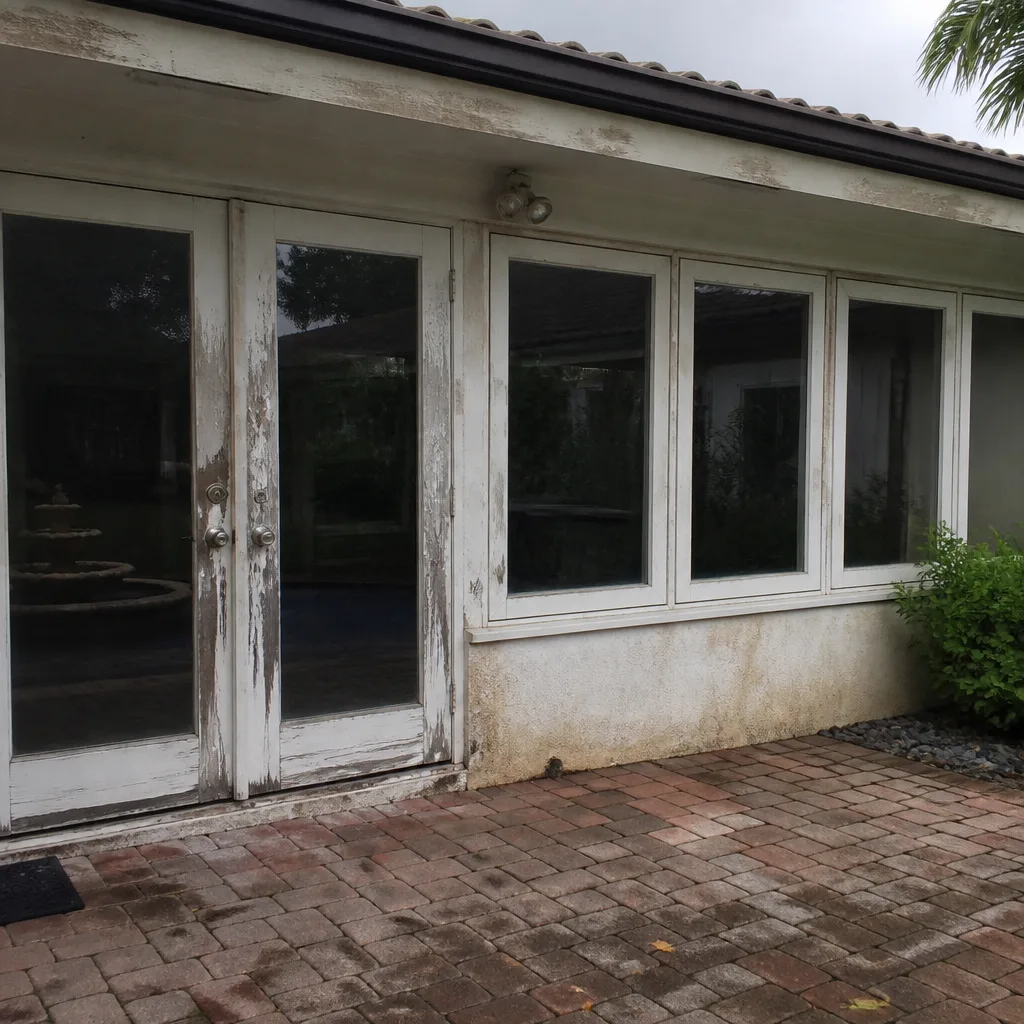 Before
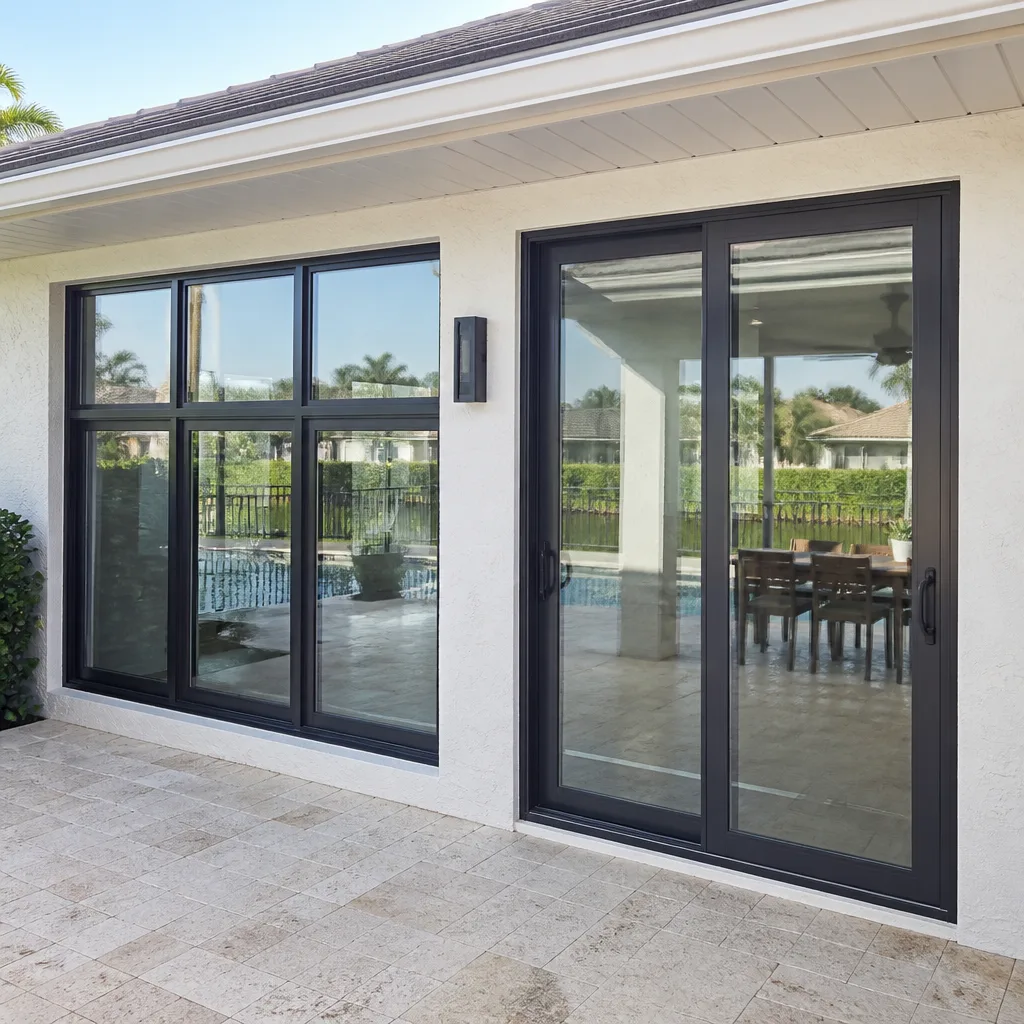 After
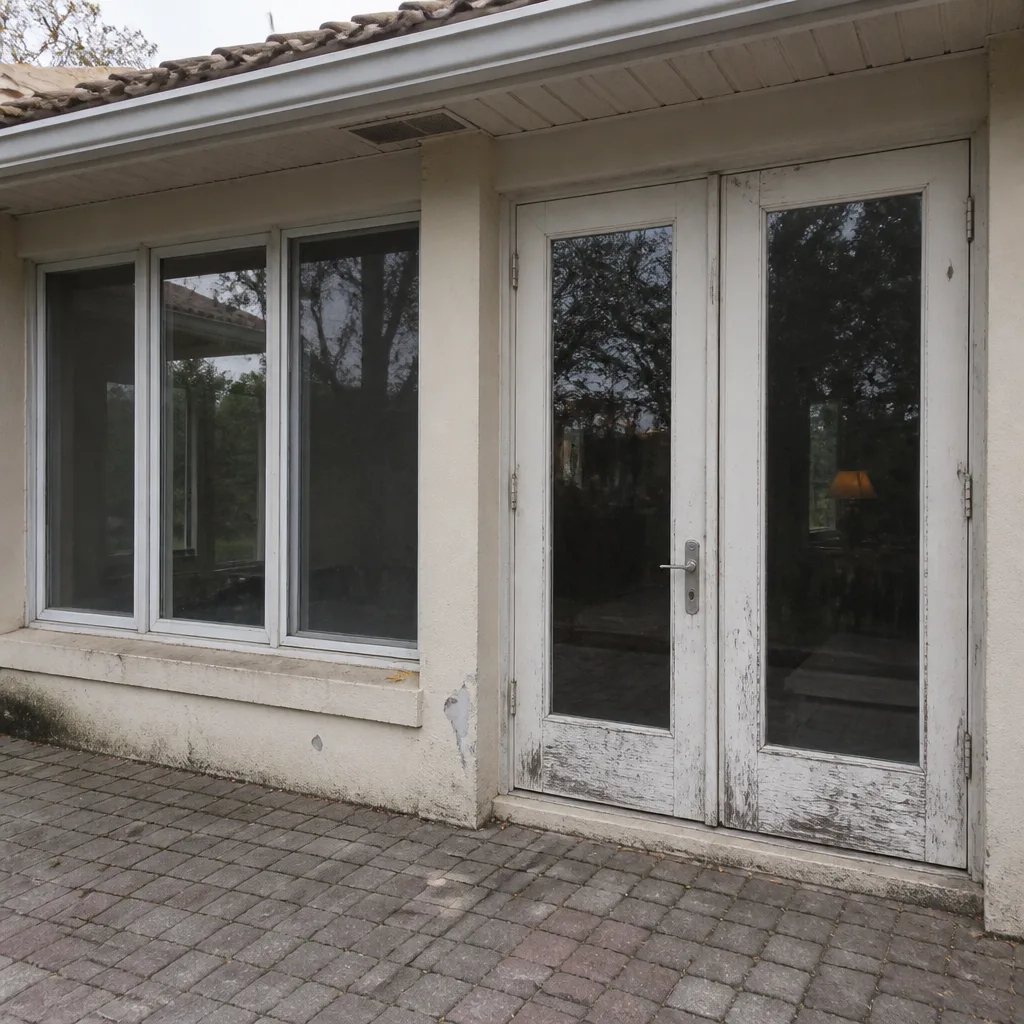 Before
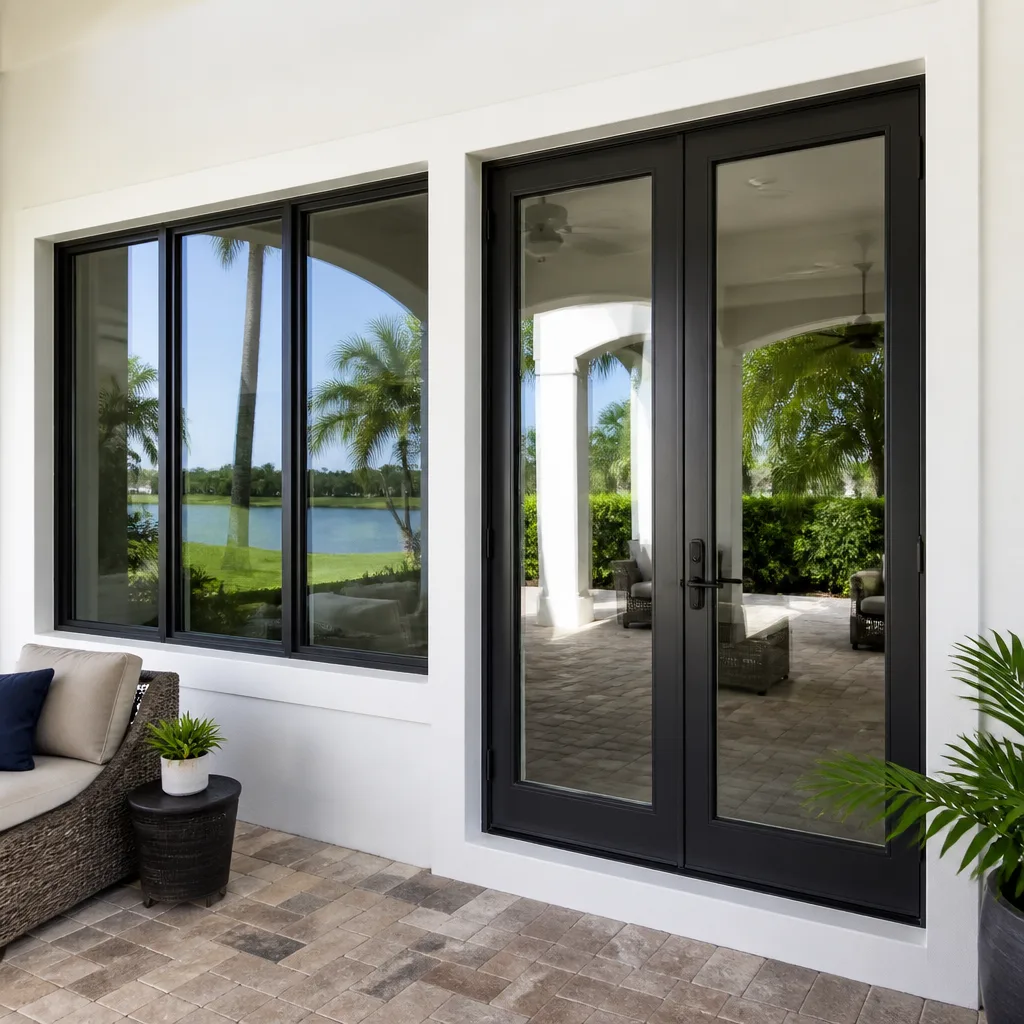 After
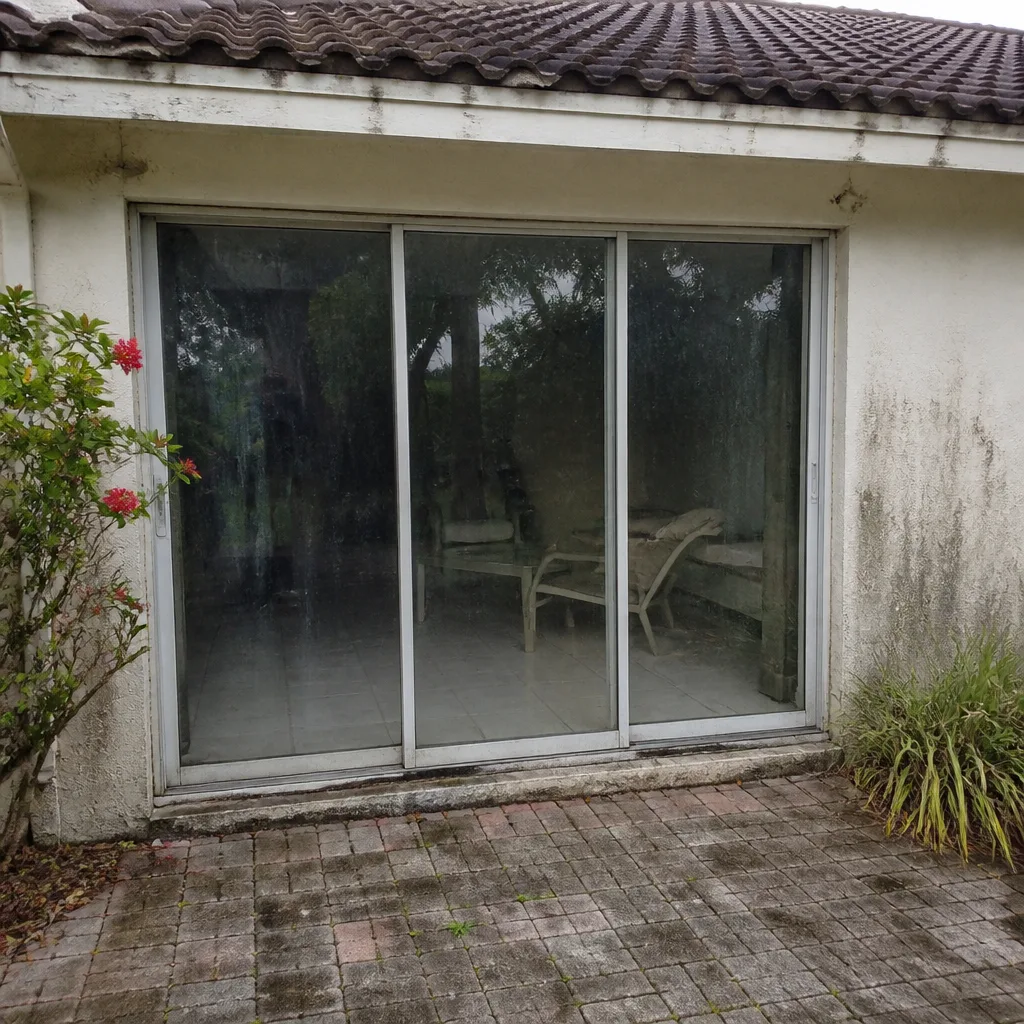 Before
 After
Vinyl vs Fiberglass Windows in Boca Raton: Choose Vinyl Unless You’re Replacing a Rare Frame
For most Boca Raton homes built in the 1960s through 1980s, vinyl windows are the right choice: they cost 30-45% less than fiberglass, handle salt air and wind-driven rain well when properly flashed, and you’ll recover about 72% of the installed cost at resale. Fiberglass is worth the premium only if you’re working with an unusually large opening, matching a darker frame color on a strict HOA palette, or replacing windows on an A1A-facing unit where frame rigidity matters. Call (561) 264-1337 if you’d rather skip the research and get a straight answer for your specific house.
We’ve been setting windows in this city long enough to know the real question isn’t which material is “better.” It’s which material holds up on your street, clears your HOA board, and fits the opening you’re working with. The answer changes once you’re east of I-95 or inside a deed-restricted community like Boca West or Broken Sound. We’ll walk you through that below.
What Actually Fails in Boca Raton, and What That Means for Material Choice
Boca Raton’s residential landscape is dominated by Arvida Corporation-era planned communities built from the 1960s through the 1980s. Those original single-pane aluminum sliding windows are now failing en masse. Frames pit from salt air. Weatherstripping turns brittle and lets afternoon thunderstorms blow water onto interior sills. Rollers corrode until the panel drags. And every replacement must clear not just Palm Beach County building permits and Florida Building Code wind-load requirements, but also the Architectural Review Committees of the city’s HOAs, which mandate pre-approved product specs, frame colors, and glass types before a permit can even be submitted.
Against that backdrop, material selection becomes a practical decision rather than a philosophical one:
- Vinyl costs less, installs faster, insulates well, and comes in enough color options to satisfy most Boca Raton HOA palettes, though dark-color restrictions exist. It expands and contracts more than fiberglass in our sun, which is why installation technique matters more than the material itself.
- Fiberglass expands at nearly the same rate as glass, so it resists seal failure over long spans. It accepts darker color coatings without buckling, handles wide openings with less flex, and costs $300-$700 more per opening on average in this market.
- Both outperform old aluminum on energy efficiency, sound, and insurance compliance, which matters when Florida carriers are non-renewing policies or demanding proof of opening protection.
There’s a reason at least one material-specific distinction gets decided before we ever quote: east Boca installations within a half-mile of the water see frame pitting and failed seals years ahead of west Boca equivalents. If you’re closer to the Intracoastal than to 441, stainless-steel hardware and powder-coated or anodized finishes aren’t an upsell. They’re standard spec. Fiberglass holds a slight edge in that marine environment because it’s less reactive to salt air, but properly selected vinyl with the right hardware gets the job done for less money.
A Side-by-Side That Applies to This City, Not a Showroom Brochure
We keep this comparison grounded in what we see on ladders and in HOA submittal packets around Boca Raton. Here’s the honest breakdown:
| Factor | Vinyl | Fiberglass |
|---|---|---|
| Installed cost per opening (Boca Raton market) | $700-$1,300 | $1,100-$1,900 |
| Performance in salt air (east of I-95) | Good with stainless hardware and regular rinse | Better; frame resists pitting longer |
| HOA color matching on darker bronze/charcoal palettes | Limited; lighter whites and beiges are safest | Excellent; accepts darker finishes without warping |
| Large openings (wide sliders, picture windows over 72″) | Adequate with reinforcement | Superior; less flex, stronger seal longevity |
| Energy efficiency (Low-E insulated glass in both) | Comparable | Comparable, slight edge in extreme heat cycles |
| Best fit in Boca Raton | Most 1960s-1980s concrete-block homes west of Federal Highway | Waterfront condos, wide custom openings, strict HOA dark-color specs |
One thing we will not do is push fiberglass on someone who doesn’t need it. Dale Kessler started TruePane because he watched too many homeowners get handed a low bid and a loose frame, then spend the next decade fighting fogged seals and binding sashes. If a vinyl window from a line like ECO Window Systems or ViewLux will do the job right and clear your HOA, that’s what we’ll quote. If you need a fiberglass frame from Mr-Glass or a composite like Therma-Tru to handle a wide opening and a strict color chip, we’ll quote that side by side on paper so you see exactly what you’re buying.
What We See in Specific Boca Raton Neighborhoods
Here’s how the decision lands in the communities we work in most often:
- Boca West and Broken Sound: These Arvida-era communities run tight Architectural Review Committees. We routinely see a 2-4 week ARC approval buffer required before the city will even schedule a permit inspection. Product approval sheets, NOA numbers, and color-chip sign-off have to be in order. Lighter vinyl frames in the standard white/beige palette clear fastest. Darker bronze or charcoal specs usually push toward fiberglass or composite.
- Addison Reserve and Woodfield: Larger window openings are common here. When a slider spans more than 72 inches, fiberglass’s stiffness means fewer long-term service calls. We still install vinyl, but with reinforcement and a tougher flashing detail.
- A1A and Intracoastal-adjacent condos: The salt air and wind exposure are relentless. Fiberglass frames and stainless hardware are the stronger choice, and many high-rise associations already list them as required assemblies. Vinyl can work, but plan on hardware upgrades and a shorter replacement cycle.
- West Boca ranch homes (logger’s run area and beyond): Single-story concrete-block homes with original aluminum sliders. Vinyl is almost always the right answer. The money you save versus fiberglass covers new Low-E insulated glass and proper flashing, which matters more to the life of the install than frame material ever will.
On a slow Saturday you might find Dale Kessler at the Boca Raton Green Market on Mizner Park, drinking bad coffee and talking anyone’s ear off about the difference between impact-rated and impact-resistant glass. That distinction trips up more homeowners than vinyl versus fiberglass ever will. Impact-rated means the assembly passed Miami-Dade County testing and carries a Notice of Acceptance number; impact-resistant is a looser term that may not satisfy your insurance carrier or your HOA’s submittal. We flag this because Florida’s property-insurance crisis has made it financially urgent, not just code-correct, to do this right the first time.
Why the Installer Matters More Than the Material
Vinyl and fiberglass are only as good as the opening they’re set into. A well-installed vinyl window in a square, properly flashed concrete-block opening will outlast a premium fiberglass window shoved into an out-of-true frame. This is the part that gets lost in online comparisons, and it’s the part we care about most.
We measure every opening twice. We quote manufacturer lines side by side on paper, including ECO Window Systems, Mr-Glass, Therma-Tru, so you’re not buying a window you’ve never seen in a spec sheet you never read. We register both manufacturer warranty layers in writing before the truck leaves the driveway, with durations stated. That’s The Keystone Standard. And the Done Right Promise means if something’s off, we fix it. No paperwork fights. No arguing. If the pane is not true, the job is not done.
Every TruePane technician is background-checked and uniformed. They work in your home the way they would work in their own mother’s. A live person answers the phone 24 hours a day, 7 days a week, not a voicemail tree, not a callback form. When you call about a window that’s binding in July, you talk to someone who knows what a jalousie door is and why it’s not coming back.
If you’re weighing Window Replacement options in Boca Raton, the honest starting point is to get someone to look at your actual openings. Material decision comes after that. We’ll help you sort it without pressure.
FAQs
Vinyl replacement windows in Boca Raton typically run $700-$1,300 per opening installed, while fiberglass runs $1,100-$1,900 per opening depending on size, glass package, and whether you need impact-rated assemblies for your insurance carrier or HOA. Darker frame colors and wide openings push both materials toward the higher end. Call (561) 264-1337 for an exact quote on your specific openings, it takes about 45 minutes and the estimate is free.
Yes, fiberglass frames generally resist salt-air pitting and seal failure longer within a half-mile of the Intracoastal or Atlantic, but vinyl with stainless hardware and proper flashing still performs well for years and costs meaningfully less. If you’re in a high-rise or directly on A1A, fiberglass may be required by your association anyway. We can check your building’s spec before you spend a dollar.
Lighter-color vinyl in white or beige clears Boca Raton HOA Architectural Review Committees fastest, since those finishes match the original Arvida-era palettes most commonly written into community standards. Darker bronze or charcoal specs often require fiberglass or composite frames to avoid warping, and many boards like Boca West and Broken Sound require product approval sheets and NOA numbers before the city will even schedule a permit inspection. We include that ARC buffer in every proposal as standard practice.
Both materials are available in impact-rated assemblies that meet Florida Building Code and Miami-Dade testing standards; fiberglass offers stiffer frames for large openings, while vinyl costs less and installs faster on standard-size replacements. The rating itself, not the frame material, is what satisfies your insurance carrier and your HOA. We quote both side by side so the decision is driven by your budget and your building’s requirements, not by a sales pitch.
If you’d rather have a straight answer for your specific windows without wading through more comparison articles, call TruePane Windows & Doors at (561) 264-1337 for a no-pressure assessment in Boca Raton. We’ll tell you honestly if vinyl or fiberglass is the better buy for your house, your HOA, and your insurance situation, and we’ll put the numbers on paper before you commit to anything. Estimates are free.
Written by Dale Kessler, Owner, TruePane Windows & Doors at TruePane Windows & Doors, serving Boca Raton, FL.
Six Reasons Homeowners Choose TruePane Windows & Doors
Impact systems engineered to design pressures up to +/-100, matched to your wind zone - your openings hold when the storm arrives.
Low-E insulated impact glass from our manufacturer lines commonly cuts monthly cooling bills 20-30%.
Laminated impact glass shuts out up to 40% of outside noise - traffic, neighbors, weather.
Monitoring services run $30-90 a month. Laminated impact glass resists forced entry around the clock, with no subscription.
Florida homeowners average around 25% savings on the windstorm portion of their policy after protecting every opening - some homes qualify for more.
A full impact package upgrades curb appeal, buyer confidence and appraised value in one project.