
Last updated August 25, 2026
Free in-home measure and quote - PGT, CGI and CWS impact lines compared on your actual openings, style by style
Sliding glass doors
Impact garage doorsPGTCGI
 Before
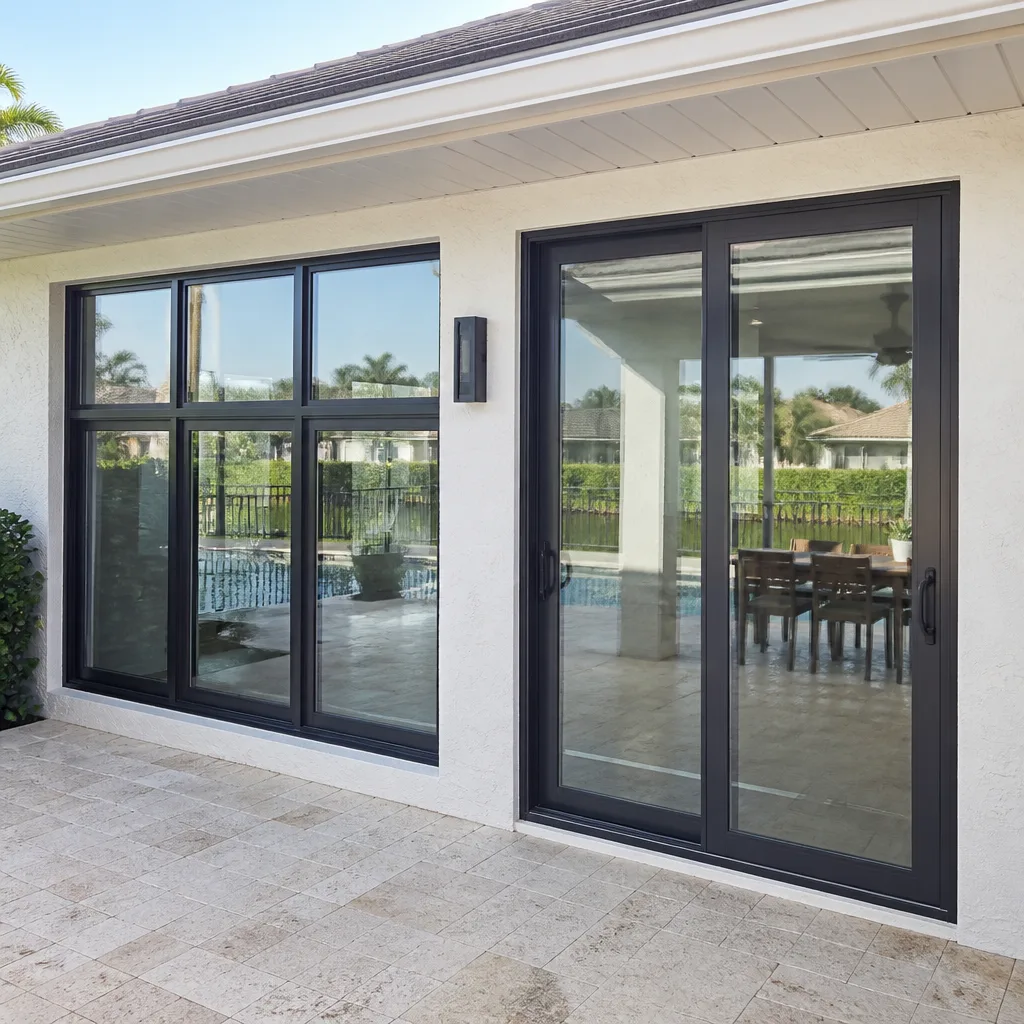 After
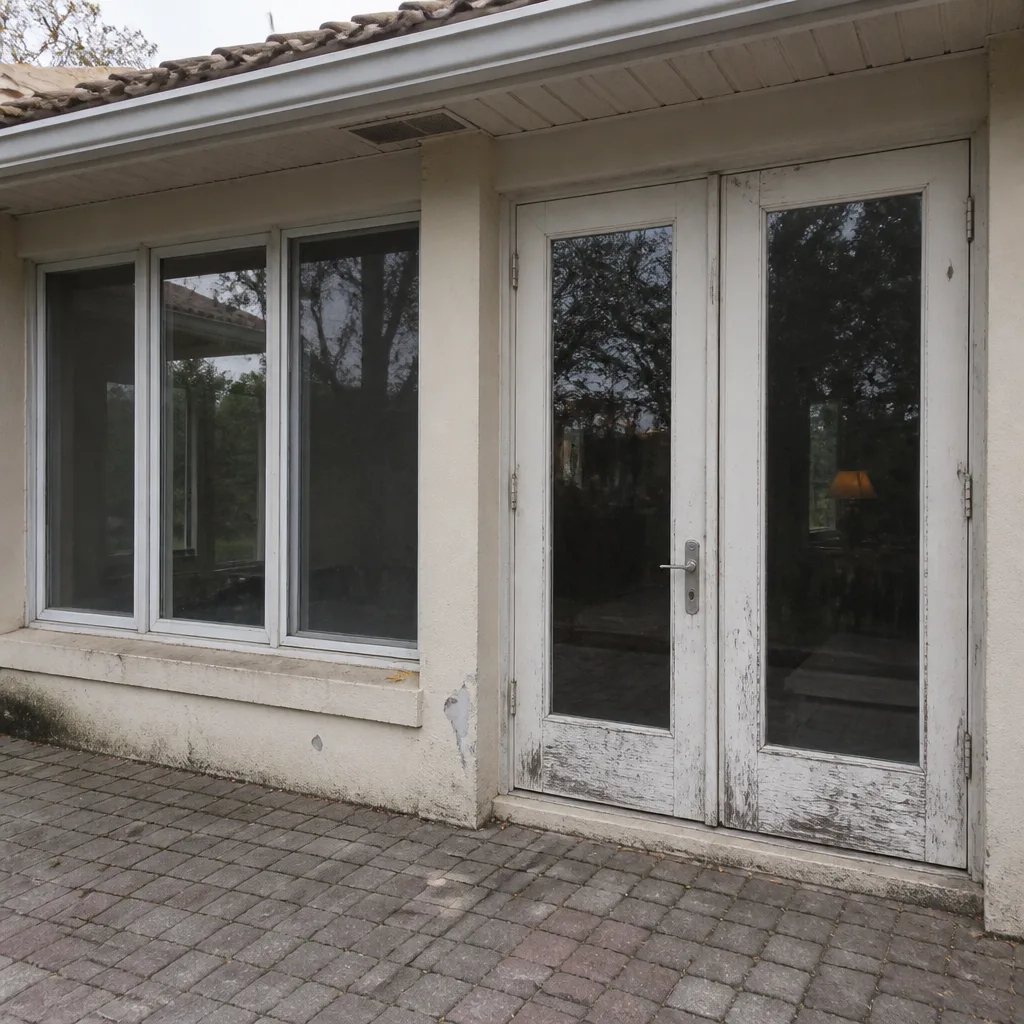 Before
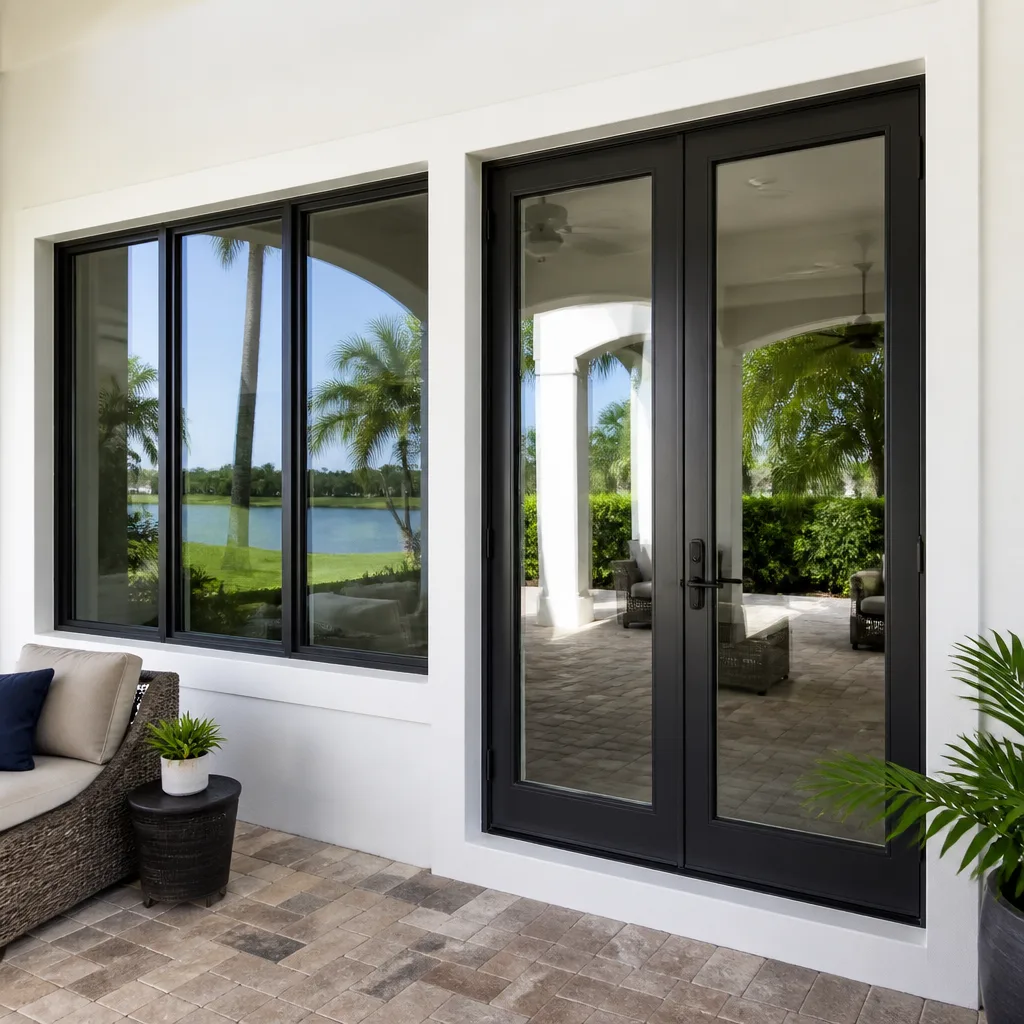 After
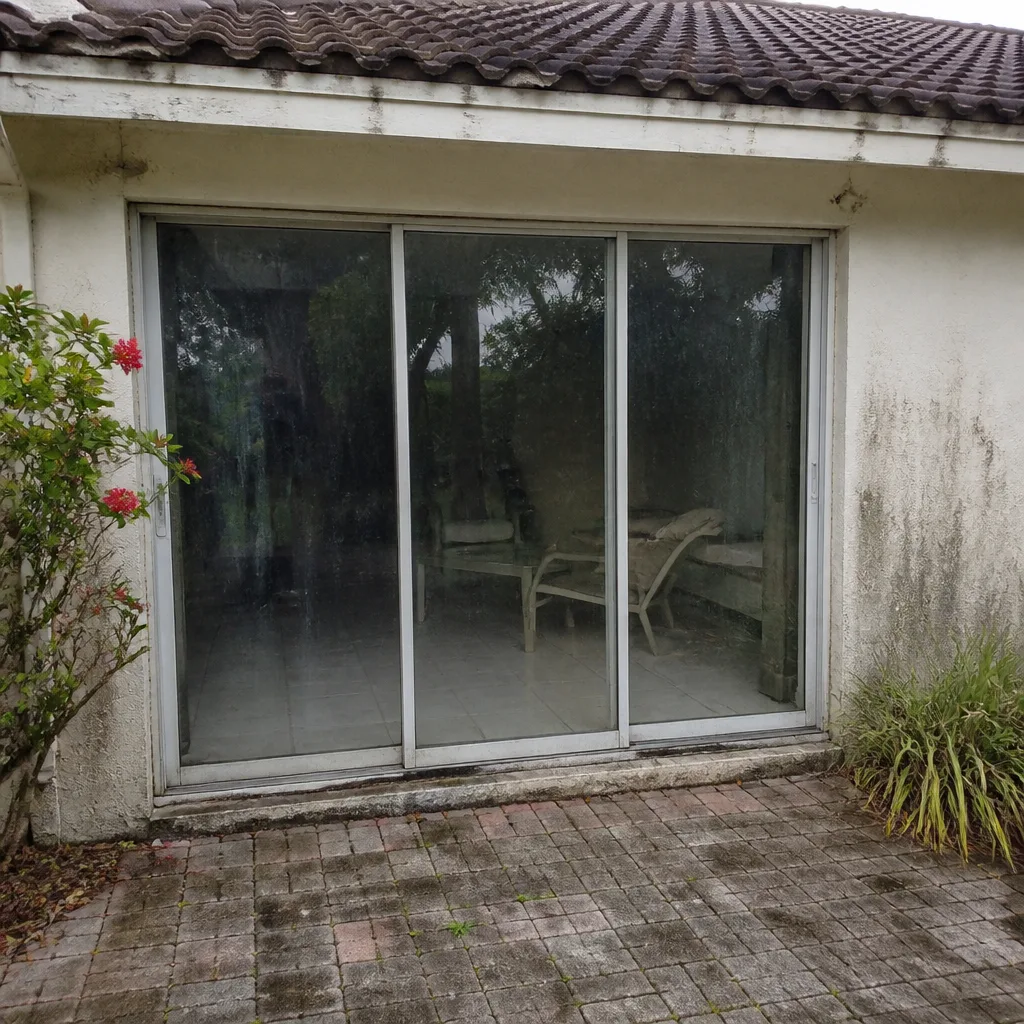 Before
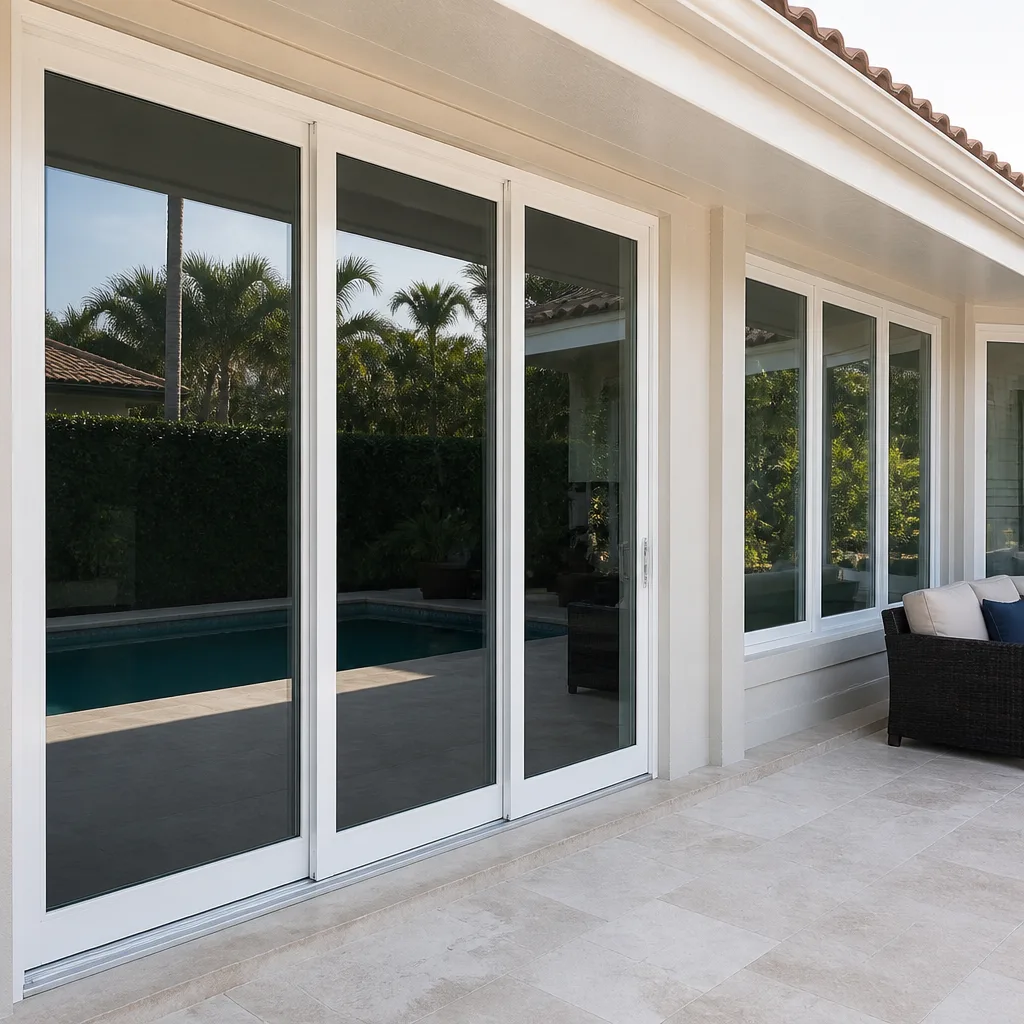 After
Windows & Doors Warning Signs: A Boca Raton Homeowner’s Reference Guide
Most Boca Raton homeowners do not notice their windows failing until the electric bill arrives in August. A window can lose its argon gas fill, its weatherstripping can flatten, and its sash can drift out of square for years before anyone sees condensation or feels a draft. By the time the problem announces itself, the damage has usually been compounding for a while. This guide walks through the warning signs that matter in a coastal Florida climate, what each one means, and when it is time to stop patching and start replacing. We’ll cover what to look for, what to ignore, and what it typically costs to make it right in Boca Raton.
Quick Answer
The warning signs that demand attention in Boca Raton are condensation between panes, difficulty opening or closing a window or door, visible light around the frame, drafts you can feel from three feet away, frames that are soft or chalky to the touch, and rising energy bills without an obvious cause. If you notice two or more of these, the window or door is telling you it needs replacement or repair. Any single sign that affects operation, security, or water intrusion warrants a professional look.
Table of Contents
- Condensation Between the Glass Panes
- Windows and Doors That Fight You
- Drafts and Temperature Differences Around Frames
- Frame Damage: Rot, Chalk, and Soft Spots
- Impact-Grade Questions Specific to Boca Raton
- Energy Bills and the Window Connection
- Noise and Light Leakage
- Hardware, Tracks, and Weatherstripping
Condensation Between the Glass Panes
Condensation on the inside of the glass is a humidity issue. Condensation between the panes is a seal failure, and it is the single most common window problem we see in Boca Raton. An insulated glass unit, or IGU, is two sheets of glass bonded to a spacer, with the space between them filled with argon or krypton gas. The seal keeps that gas in and moisture out. When the seal fails, the gas escapes quietly and moisture works its way into the space between the panes. The fog you see is not something you can wipe away. It is trapped.
In Boca Raton, salt air and humidity accelerate seal failure. A window that might last twenty years in a dry inland climate can lose its seal in twelve to fifteen here, sometimes less on west-facing elevations that take direct afternoon sun and then get hit with air-conditioned interior air. The constant thermal flexing works the adhesive until it lets go.
Here are the signs in order of how they typically appear:
- A faint haze between the panes that comes and goes with temperature changes
- Permanent fog or a cloudy film that never clears
- Water droplets, streaks, or mineral deposits between the glass
- A slightly distorted view through the glass, especially at the edges
- The glass feels warmer than it should on a hot Boca afternoon
A failed seal is not a cosmetic problem. The window loses most of its insulating value once the gas is gone. That means more heat gain in summer, more strain on your air conditioning, and a higher FPL bill. It also means your impact rating, if the window is impact-rated, may be compromised because the unit’s structural integrity depends on both panes working as one assembly. We regularly tell Boca Raton homeowners that a fogged window is not a wait-and-see situation. It is a replace-the-glass-or-the-sash situation.
Windows and Doors That Fight You
In our experience, a window that sticks in July in Boca Raton is almost never just a lubrication problem. It can be, and a silicone spray on the tracks is a fair first step, but when a window or door binds in specific seasons or requires two hands to open, something structural is going on. Humidity swells wood. Salt air corrodes aluminum. The combination works against the original installation clearances, and the window or door starts to bind.
What to check:
- Does the window require real force to open or close, or does it stop mid-track?
- Does the door scrape the threshold or the frame when it swings?
- Can you lift the sash and feel it drop or sag when you let go?
- Does the hardware engage fully, or does the latch only half-catch?
- Is the problem seasonal? A door that binds only in summer points to frame movement.
A settling house in Boca Raton, particularly in neighborhoods built on the sandy soil west of I-95, will shift. Sliding glass doors that once glided start grinding. French doors start latching poorly. Casement windows crank with resistance. Each of these is a signal that the opening is no longer square, and a window or door that is out of square will keep wearing on its hardware until something gives. Most often what gives is the hardware, and then you are looking at a repair on top of what was probably a replacement.
We treat an opening window or door that does not operate smoothly as a warning sign that the opening itself has moved. The fix is not always a new window. Sometimes it is the installation method, the flashing, or the frame. But the homeowner should not ignore it, because a window that cannot be opened is also a window that cannot be used as an emergency exit, and a door that will not latch is a security gap.
Drafts and Temperature Differences Around Frames
You can feel a real draft from three feet away. That is the test we tell Boca Raton homeowners to use, because it separates an actual air leak from the natural convection you get near any piece of glass. Glass is colder than the wall around it in air-conditioned air, and air near the glass falls as it cools. That circulating air can feel like a leak when the window is actually doing its job. But a genuine draft, the kind that moves a tissue held near the frame edge, is a leak.
Common leak points on windows and doors in Boca Raton:
- Where the sash meets the frame on double-hung and slider windows
- At the corners of a door frame, especially on older sliders
- Where weatherstripping has flattened, torn, or been painted over
- At the meeting rail where two sashes overlap
- Where the frame meets the interior wall, suggesting the original sealant or insulation has failed
A draft is not just a comfort problem. It is air you paid to cool leaving the house, and humid Florida air entering it. That humidity loads the interior air, makes the AC work harder, and over time can damage drywall, paint, and interior finishes near the window. We have opened walls around leaking windows in Boca Raton and found mold on the interior drywall and rust on the fasteners, all from air movement the homeowner described as “a little breeze.” Seal failure around the frame is a warning sign the installation was never fully correct, or that the house has shifted enough to break the original seal.
Frame Damage: Rot, Chalk, and Soft Spots
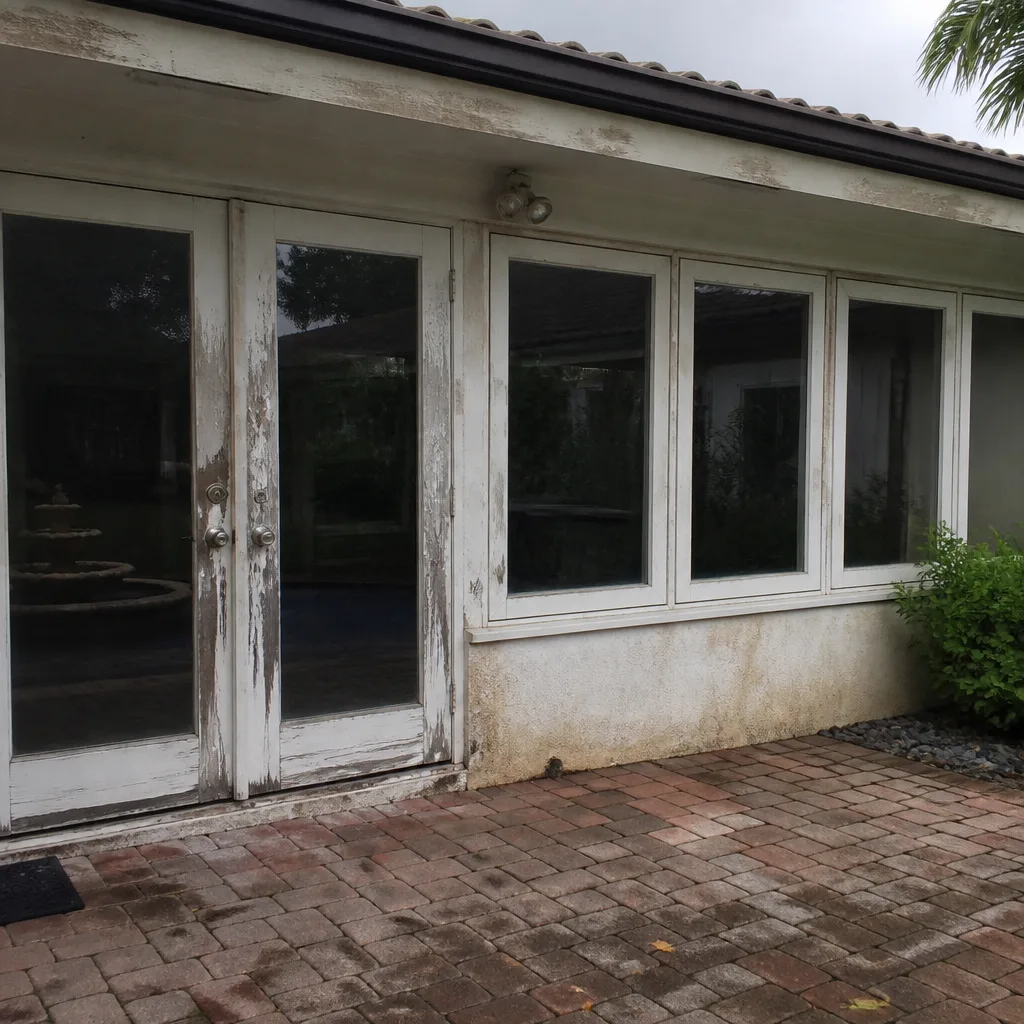
Boca Raton’s coastal air is hard on window and door frames. Salt, humidity, and intense UV exposure combine to attack finishes and substrates. Aluminum frames develop a chalky white oxidation that rubs off on your hand. Wood frames, rare in modern construction but present in many older Boca Raton homes, can rot from the inside out where moisture sits against the frame. Vinyl frames, which now dominate new construction, can warp under direct sun if they were never designed for a South Florida heat load.
The warning signs to look for:
- A white powdery residue on aluminum frames that reappears after cleaning
- Paint that has bubbled or separated from a wood frame, especially at corner joints
- A frame that feels soft when pressed with a thumbnail
- Visible swelling, cracking, or deformation in vinyl frames
- Rust stains running down from the weep holes on a sliding door
Frame damage matters because the frame is the structural connection between the glass and the house. You cannot replace just the glass in a failed frame and expect good results. The frame carries the weight of the sash, resists wind load, and holds the seals. A chalky aluminum frame can be cleaned and painted, but oxidation that has progressed to pitting has shortened the frame’s life. Soft wood is past saving. Warped vinyl needs replacement, not adjustment.
In Boca Raton, frames on east-facing openings take the worst of the morning sun and the salt breeze off the Atlantic. West-facing openings get the afternoon heat. We tell homeowners to inspect frames during the dry season, when damage is easiest to see. Run your hand along the bottom rail and the corners. Chalk, flaking paint, and soft spots are all evidence that the frame is losing its fight.
Impact-Grade Questions Specific to Boca Raton
Boca Raton sits in a High Velocity Hurricane Zone. Any replacement window or door in most of Palm Beach County must meet strict impact standards, which is a subject worth understanding before you shop. But beyond the building code, there are warning signs that an existing impact window or door has degraded to the point where it may not perform as designed.
Impact-rated windows and doors use laminated glass and reinforced frames to survive wind-borne debris and pressure cycles. The lamination holds the glass together when it breaks, keeping the envelope of the house intact. Warning signs that an impact unit has been compromised include:
- Visible delamination or clouding at the edges of the laminated glass
- Cracks that spread across the window but do not fall out, indicating the laminate has engaged
- A frame or header that shows signs of movement after past storms
- Impact stickers or etchings that are illegible, making the window unverifiable for insurance purposes
- Missing or damaged screws or anchors at the frame perimeter
Many Boca Raton homes were built or renovated after the 2004-2005 storm seasons, when impact standards tightened significantly. Homes with openings from that era are now entering the last third of their design life, and the materials are showing age. A homeowner who cannot prove their windows are impact-rated may face higher insurance premiums or a requirement to upgrade. We help customers verify their existing openings and document what they have, because the paperwork matters as much as the glass.
Energy Bills and the Window Connection
FPL rates in Florida have risen steadily, and a Boca Raton home with twenty or thirty-year-old windows is paying a measurable penalty. The Department of Energy estimates that windows account for 25 to 30 percent of residential heating and cooling energy use. In a cooling-dominated climate like South Florida, that number tilts toward windows and glass doors, especially sliding patio doors with large glass areas.
Here is how to think about the connection. A window that leaks air or has lost its gas fill lets heat in. Your air conditioner runs longer to remove that heat. The effect is not linear. One failed window on the west side of the house can keep the AC cycling longer than it should all afternoon. Three or four failed windows and you are paying to cool air that is constantly being reheated by the glass.
We do not tell homeowners that new windows will cut their electric bill in half. That is not honest. What we do tell them is that the right windows, properly installed and sealed, will reduce the load on their AC in a way they can feel in specific rooms. The bedroom that always ran five degrees warmer should come into line. The family room that baked every afternoon should become usable after 3 p.m. Those are the results a Boca Raton homeowner will notice.
Warning signs that your windows are the energy culprit:
- Rooms on one side of the house consistently warmer than the rest
- An AC system that runs constantly in the late afternoon
- Electric bills that have crept upward without a change in usage habits
- Glass that is hot to the touch from inside the house
- Curtains or blinds that fade rapidly on window-facing sides
Noise and Light Leakage
Boca Raton is not a quiet town everywhere. Homes near Federal Highway, Palmetto Park Road, or I-95 hear traffic all day and night. Homes under the approach path to Boca Raton Airport get aircraft noise. A window that does not seal properly passes that sound through, along with the heat and humidity. If you stand near a closed window and hear traffic as clearly as if a door were open, the window is leaking sound.
Sound transmission works through glass and through air gaps. A single-pane window passes nearly all sound. An old double-pane window with a failed seal passes almost as much, because the gas that helped damp sound is gone. Laminated glass, required in impact-rated windows, is actually better at blocking sound than standard annealed glass. That is one reason an impact upgrade in Boca Raton often solves a noise complaint at the same time it solves a code problem.
Light leakage is similarly simple to check. Stand inside a dark room during daylight and look at the perimeter of each window and door. If you see light outlining the frame, the opening is not sealed. That gap is passing air, insects, and humidity, not just light. In Boca Raton, where termites and ants are a constant presence, a light gap at a door corner is an entry point you cannot see after dark.
Hardware, Tracks, and Weatherstripping
Hardware fails before frames do. The tracks on a sliding door wear down from sand and grit. The rollers on a heavy impact-rated slider wear out under the load. Weatherstripping compresses and tears. Hinges on a wood door loosen as the wood shrinks and swells with the seasons. Each piece of hardware is a warning sign in waiting.
What to inspect:
- Weatherstripping: look for flattening, tears, gaps at corners, or material that has grown stiff and no longer springs back.
- Rollers and tracks: a slider should not sound like it is dragging gravel. Clean tracks and replace rollers that have flat spots.
- Locks and latches: a lock that must be jiggled or a latch that will not fully throw is a security issue and a sign the door has moved.
- Hinges: loose screws that will not tighten suggest the wood screw holes have stripped, and the hinge is no longer carrying the door.
- Balances: double-hung windows have springs or balances that counter the sash weight. A window that slams shut or will not stay open has failed balances.
Some of these are simple repairs. A technician can replace weatherstripping, swap rollers, adjust hardware, and rebalance a sash in one visit. In our experience, that first service call is often where the homeowner learns the larger truth: the hardware failed because the opening is no longer true, and the inexpensive repair will not hold. We will always tell a Boca Raton homeowner when a repair is worth doing and when it is money spent delaying a replacement. That is what it means to give a square deal.
Common Mistakes to Avoid
- Ignoring fogged glass because “it still works.” A failed seal means the window has already lost its insulating gas, and in an impact-rated home, the structural rating may be compromised. It will not get better.
- Spraying lubricant on a window that is binding. If the frame or opening has shifted, lubricant masks the symptom for a week and the window goes back to sticking. Find out why it binds.
- Replacing just one window in a sightline. A single new window next to older windows will not match in glass color, frame color, or performance. Do the elevation or at least the matching pair.
- Assuming every contractor follows the same building codes. Boca Raton’s High Velocity Hurricane Zone requirements are not optional, and not every installer pulls permits. Insist on documentation.
- Waiting until a door will not latch at all to call someone. A door that latches half-way is a security problem today. The longer the frame is out of square, the more expensive the fix.
- Overlooking the paperwork on existing impact windows. If you cannot verify your impact rating with stickers, etchings, or receipts, your insurance company may not credit you for the protection you have.
- Choosing a contractor on price in a coastal market. Boca Raton installations live in salt air and hurricane country. The cheapest bid is often the one that skips something important behind the trim.
When to Call a Professional
Call a professional when condensation between panes appears and does not clear, when a window or door will not operate smoothly after basic cleaning, when drafts or light gaps are visible around the frame, when frames show softness or oxidation, or when you cannot document the impact rating on your existing openings. These are not weekend projects with a caulk gun and a new roll of weatherstripping. Some are structural, some are safety-related, and most get worse with time. TruePane Windows & Doors offers free estimates in Boca Raton. Call (561) 264-1337 to schedule one, and we will measure every opening twice before quoting anything on paper.
Frequently Asked Questions
A standard impact-rated replacement window in Boca Raton typically runs $900 to $2,500 installed, depending on size, frame material, and glass package. Sliding doors and complex openings run higher. The range covers basic aluminum impact windows up to high-end wood or fiberglass lines. Call (561) 264-1337 for an exact quote on your openings. Estimates are free, and we put the numbers on paper side by side by manufacturer line.
The glass unit itself needs to be replaced because the seal between the panes has failed and cannot be re-sealed. In many cases the sash or frame can stay in place and only the IGU gets swapped. In our experience, if the frame is still in good condition, glass replacement is the more economical fix. We will tell you which route makes sense after looking at the window.
Yes. Palm Beach County is in a High Velocity Hurricane Zone under the Florida Building Code, and replacement windows and doors must meet impact or large-missile protection standards for most homes. Exceptions exist for some historic structures or very small openings, but the general rule is impact-rated. We pull permits and the inspection process confirms the installation meets code.
A quality impact window installed correctly should last twenty to twenty-five years in coastal South Florida, but the seals and hardware may need attention before then. Salt air, humidity, and UV exposure shorten lifespans compared to drier climates. Windows from the 1990s and early 2000s are mostly at the end of their useful life now.
New windows will reduce the cooling load on your air conditioner, and most Boca Raton homeowners notice more stable temperatures in rooms that used to run warm. We do not promise a specific percentage reduction in your FPL bill because the variables are too many. What we can say is that failed seals and leaking frames force your AC to work harder, and fixing those problems removes that penalty.
Look for a permanent etching in the corner of the glass, a sticker from the manufacturer, or documentation from when the windows were installed. The etching will typically include the manufacturer name and an impact standard reference. If you cannot find any of these, a professional inspection can usually identify the glass type. Call (561) 264-1337 if you need help verifying what you have.
The Bottom Line
Windows and doors in Boca Raton live a hard life, and they tell you when they are failing. The message shows up as fog between panes, a sash that fights you, a draft you can feel from across the room, a frame that chalks or softens, or a room that will not hold temperature. Learn to read the signs early and you can plan a replacement on your schedule instead of reacting to a failure. The most expensive window is the one that was ignored. The TruePane Windows & Doors home page has more about how we work, what we install, and what the warranty covers. If something in this guide sounds familiar, call (561) 264-1337 and we will come measure it properly.
Written by the team at TruePane Windows & Doors.
Six Reasons Homeowners Choose TruePane Windows & Doors
Impact systems engineered to design pressures up to +/-100, matched to your wind zone - your openings hold when the storm arrives.
Low-E insulated impact glass from our manufacturer lines commonly cuts monthly cooling bills 20-30%.
Laminated impact glass shuts out up to 40% of outside noise - traffic, neighbors, weather.
Monitoring services run $30-90 a month. Laminated impact glass resists forced entry around the clock, with no subscription.
Florida homeowners average around 25% savings on the windstorm portion of their policy after protecting every opening - some homes qualify for more.
A full impact package upgrades curb appeal, buyer confidence and appraised value in one project.