
Last updated August 27, 2026
Free in-home measure and quote - PGT, CGI and CWS impact lines compared on your actual openings, style by style
Sliding glass doors
Impact garage doorsPGTCGI
 Before
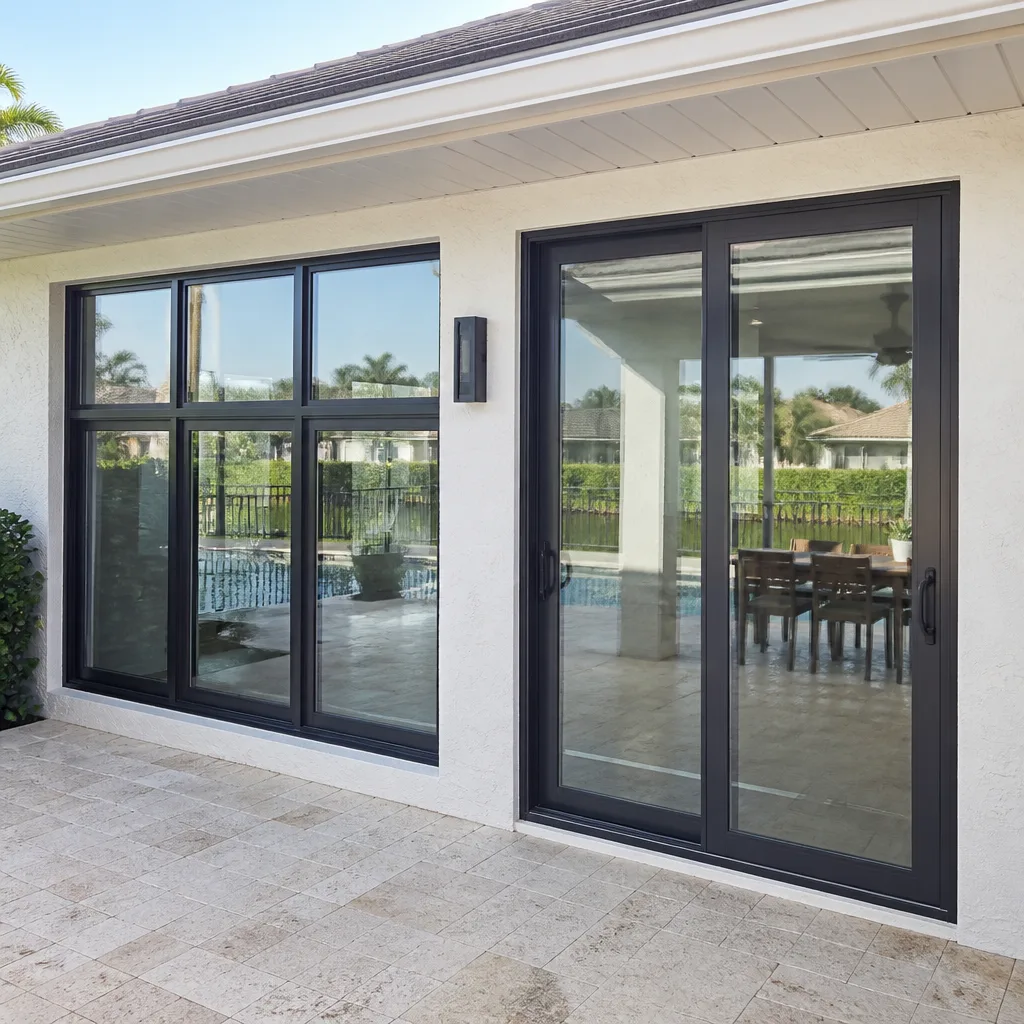 After
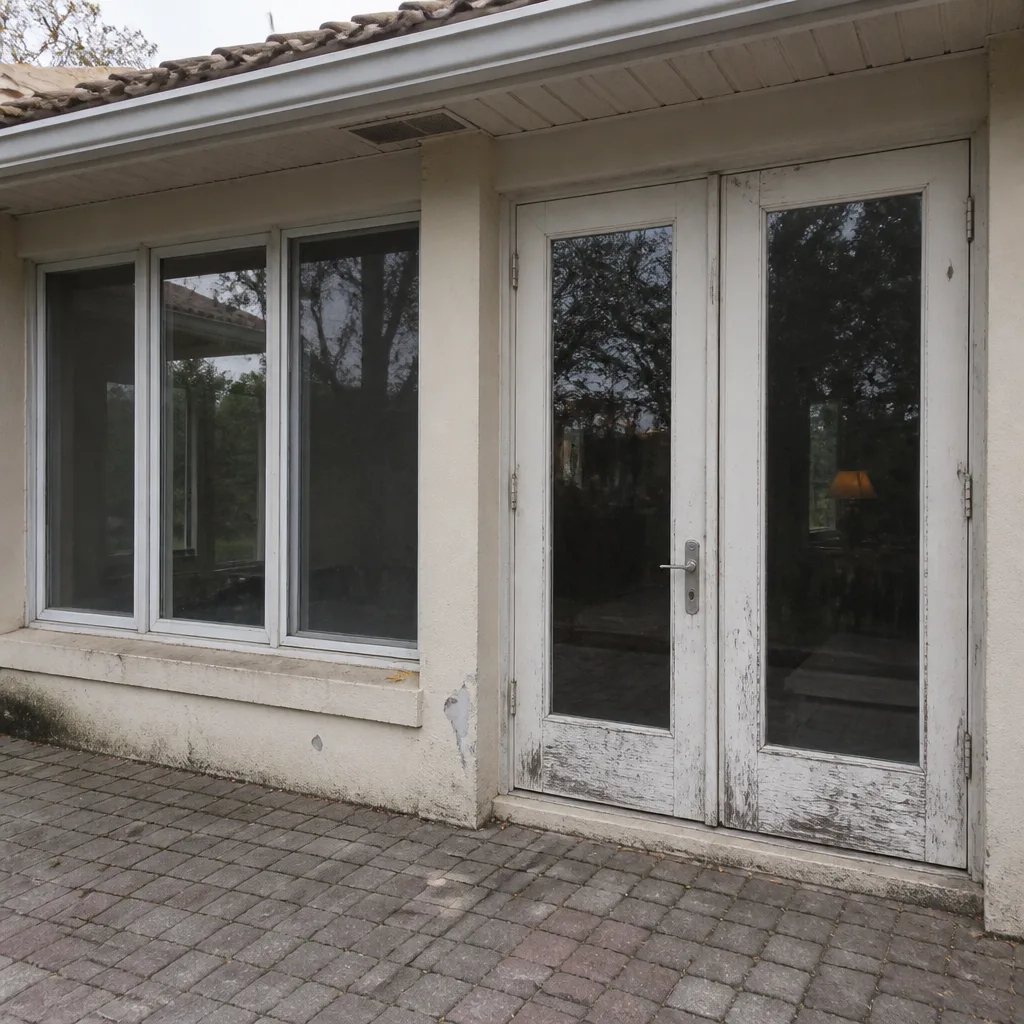 Before
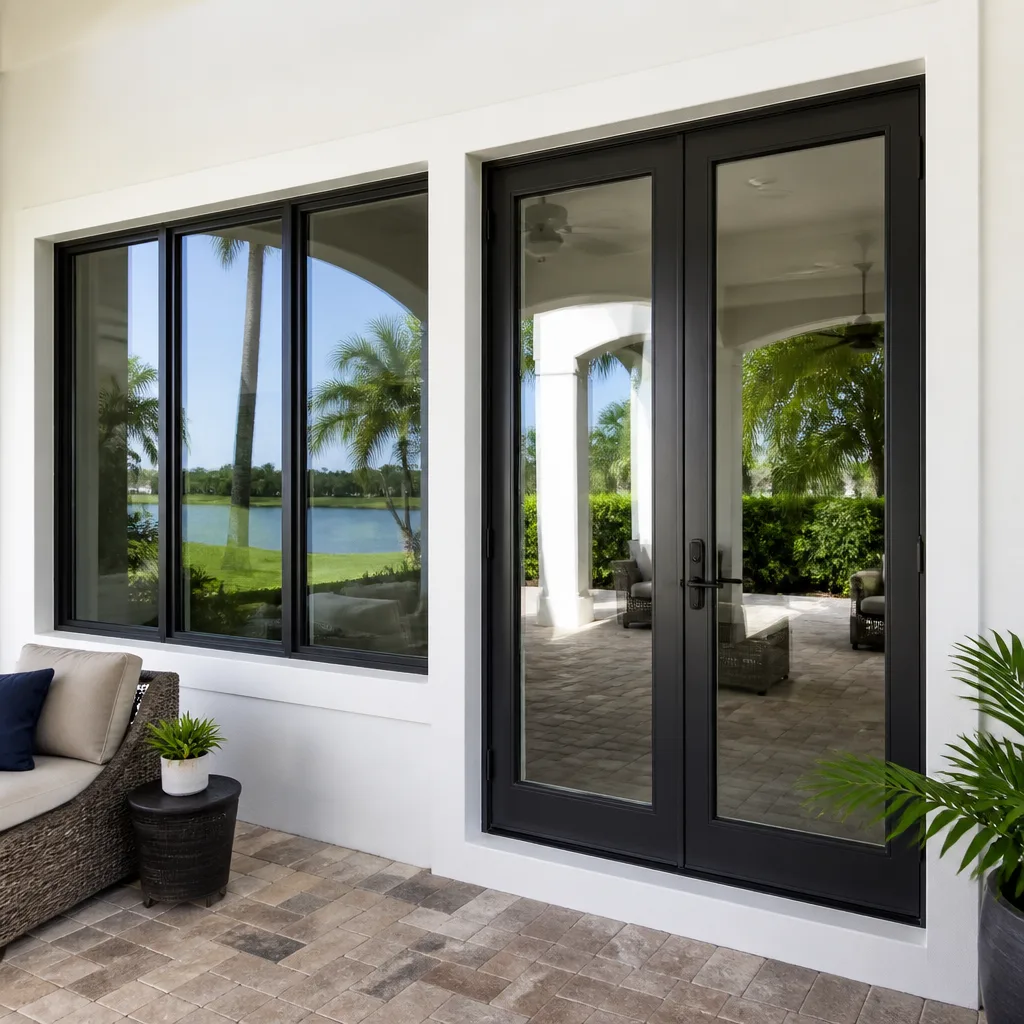 After
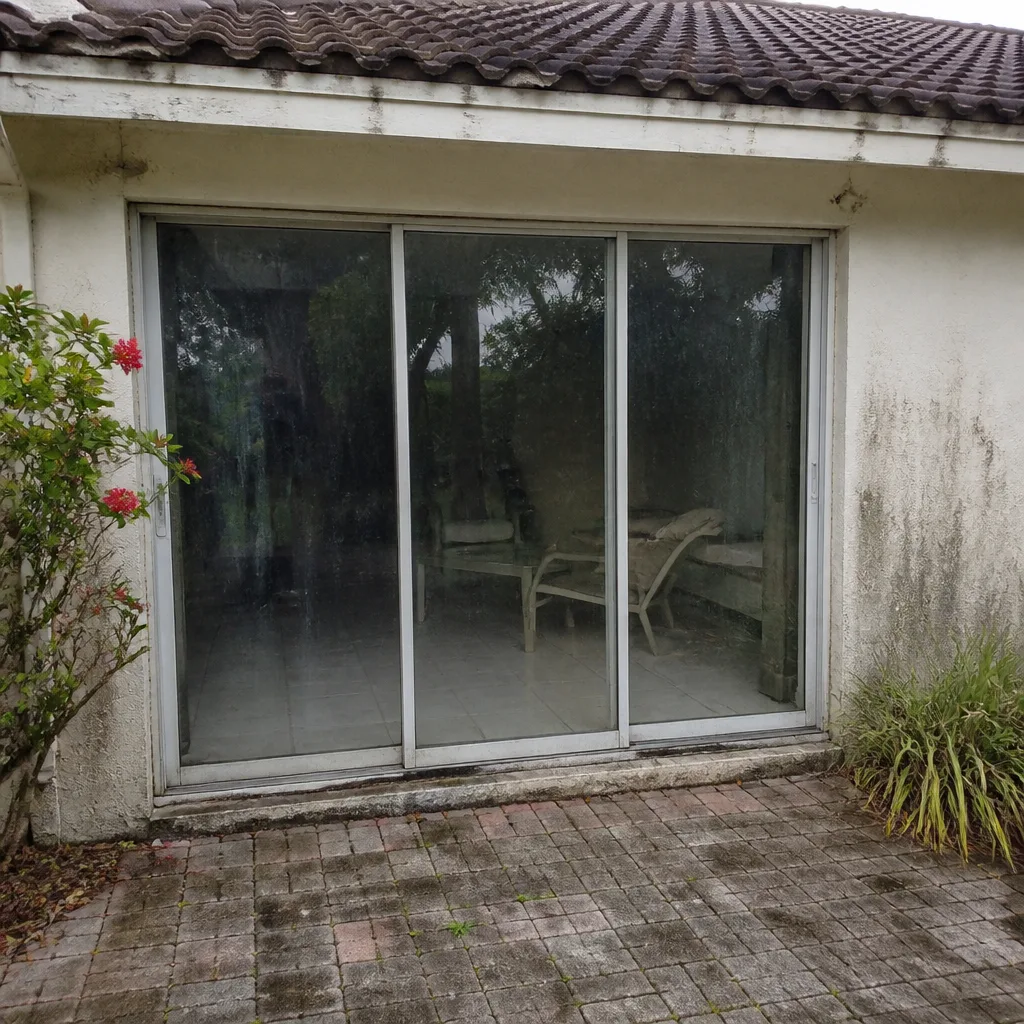 Before
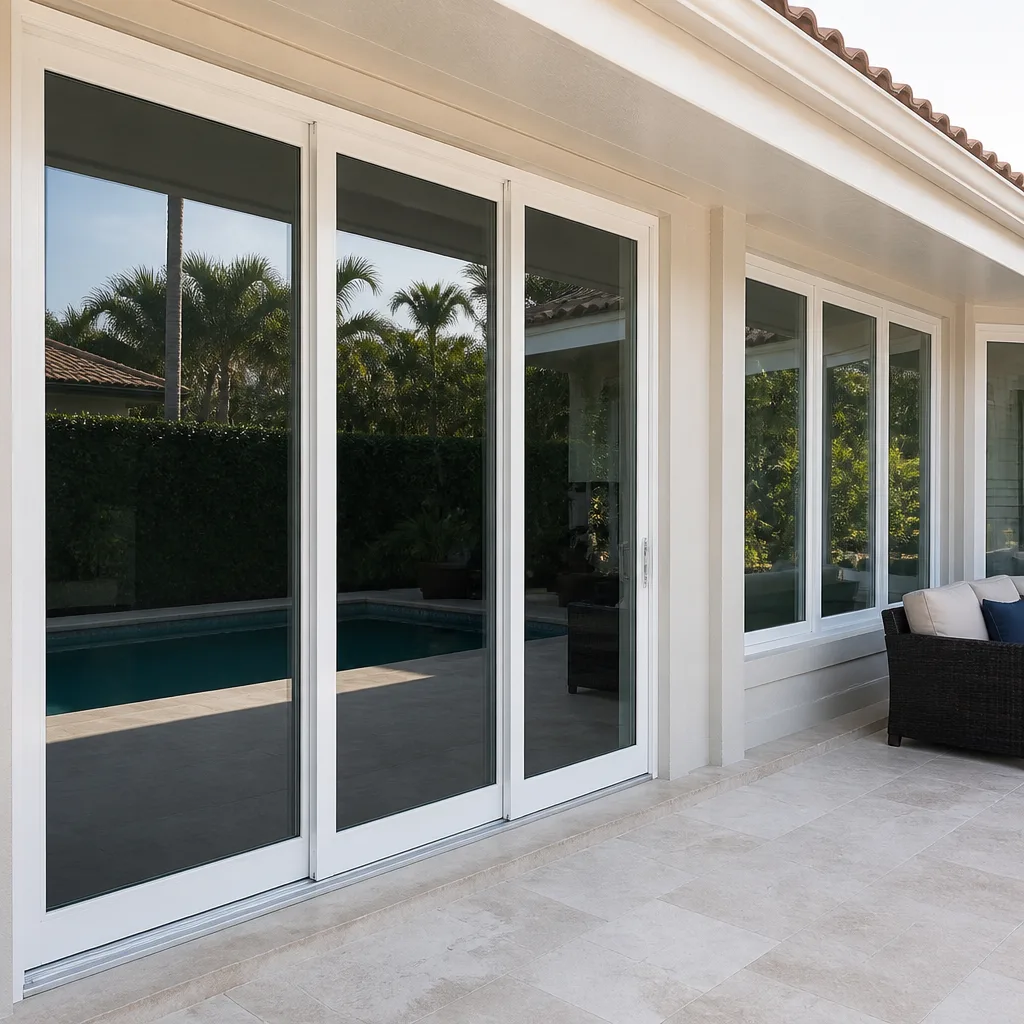 After
Windows & Doors Permits, Codes & Inspections in FL: What You Need to Know
Most Florida homeowners replace windows or a door only once, and the single most expensive mistake they make has nothing to do with picking the wrong frame material. It happens weeks or months after the install, when a county inspector fails the work because the flashing detail does not match the Florida Building Code, or a closing gets delayed because the impact-rating paperwork was never filed. This guide walks through the permit, code, and inspection process for windows and doors across Florida, with specifics for homeowners in Boca Raton and Palm Beach County. You will learn which jobs actually require a permit, how much permits and inspections cost, what the Florida Building Code says about impact protection and wind loads, and how to keep a manufacturer warranty from being voided on day one.
Quick Answer
In Florida, window and door replacement generally requires a local permit and a follow-up inspection, and the work must comply with the Florida Building Code including High Velocity Hurricane Zone provisions in Boca Raton and the rest of Broward and Miami-Dade counties. A typical residential window replacement permit in Boca Raton runs between $150 and $450 depending on the number of openings, and a licensed contractor pulls the permit, schedules the inspection, and files the Notice of Acceptance for impact-rated products. Skipping the permit can void your homeowner’s insurance coverage on the affected openings and create a mess when you sell the house.
Table of Contents
- Do You Need a Permit to Replace Windows or Doors in Florida?
- Florida Building Code Requirements for Windows and Doors
- Impact Windows, HVHZ Rules, and What “Missile Impact Rating” Actually Means
- What Permits and Inspections Cost in Boca Raton and Palm Beach County
- The Permit, Inspection, and Closeout Process: Step by Step
- How Code Violations Void Manufacturer Warranties
- Insurance Premiums, Wind Mitigation Credits, and 4-Point Inspections
- Common Mistakes to Avoid
- When to Call a Professional
- Frequently Asked Questions
- The Bottom Line
Do You Need a Permit to Replace Windows or Doors in Florida?
The short answer is almost always yes. Florida Building Code Section 105.1 requires a permit for the replacement of windows, exterior doors, sliding glass doors, and garage doors. There is a narrow exception for “minor repairs” that do not alter the structural elements or affect the weatherproofing of the building envelope, but swapping out a window insert for a new window insert generally crosses that line because the anchoring, flashing, and water barrier all get disturbed in the process.
In Boca Raton, the Building Department enforces a strict interpretation. City inspectors want to see the permit card posted on site, a copy of the product approval drawings, and the installer’s license and insurance certificate before any work starts. We have been called out to more than a few homes in Paradise Palms and Estancia where a previous installer skipped the permit, and the homeowner only found out when they tried to sell and the title search turned up an unpermitted opening. Fixing that can cost more than the original job did.
Here is a practical rule of thumb we use when customers ask us this question directly:
- Replacing like-for-like window sashes or door panels without disturbing the frame: sometimes no permit, but check with the city first.
- Full frame window replacement or installing a new window where none existed: always a permit.
- Replacing an exterior door in the same rough opening with the same size door: usually a permit, because the threshold and flashing get touched.
- Replacing a sliding glass door with French doors or altering the opening size in any direction: always a permit, and often an engineering letter.
- Impact window retrofit when the existing frame stays: always a permit in Palm Beach County, and the finished install must pass a product-specific inspection.
If you are not sure whether your job needs a permit, call the building department with your property address and a description of the work. Or call us. We pull permits on every job in Boca Raton where one is required, and we do not make the homeowner chase down the paperwork.
Florida Building Code Requirements for Windows and Doors
The Florida Building Code is the statewide rule book, but it splits the state into wind speed zones that change what a window or door must survive. The code is updated every three years. The 8th Edition became effective December 31, 2023, and the 2026 cycles are adopting revisions now, so the relevant numbers for your street can change depending on which edition your city has adopted.
For most of Palm Beach County, including Boca Raton, the design pressure requirements come out of the High Velocity Hurricane Zone, which references ASCE 7 and the Florida Product Approval system. What that means in plain terms:
- Windows and exterior doors must have a Florida Product Approval or Miami-Dade NOA (Notice of Acceptance) listing the exact product, including the glass package and the frame material.
- Impact protection is mandatory for openings in new construction and for any replacement opening where the value of the replacement exceeds a percentage of the building’s assessed value, with the specific trigger at 25% under the cumulative substantial improvement rule.
- Design pressure ratings for windows in Boca Raton typically need to meet or exceed DP 50 in most residential zones, and higher for openings close to the water in coastal construction zones.
- Egress requirements stay in force even with impact glass: every sleeping room needs at least one operable emergency escape window with a clear opening of 5.7 square feet minimum, and the code has not relaxed that for homes with impact-rated units.
- Tempered glass is required in specific locations: any window within 24 inches of a door, windows within 60 inches of a tub or shower floor, windows in stairways, and any window with a sill within 18 inches of the floor that is larger than 9 square feet.
Here is the part that surprises people. The code does not care what a window looks like. It cares about three things: the design pressure the window is tested to, the anchorage method specified in the product approval, and the flashing and sealing method where the window meets the wall. An inspection that fails in Boca Raton almost always fails on one of those three, not on the window itself.
Impact Windows, HVHZ Rules, and What “Missile Impact Rating” Actually Means
When people in Boca Raton say “impact windows,” they are usually talking about units tested to pass the Large Missile Impact test, which involves shooting a 9-pound 2×4 at the glass at 34 miles per hour and then subjecting the same unit to 9,000 wind pressure cycles. That is the Miami-Dade protocol, and it is the most stringent test in the country. Products that pass get a Notice of Acceptance number, and that number gets filed with your permit.
There is a meaningful difference between Large Missile and Small Missile ratings. Small missile testing uses ball bearings and simulates windborne gravel below 30 feet. Large missile testing simulates airborne framing timbers at any height. For a single-family home in Boca Raton with windows above 30 feet from grade, you may be able to use small-missile-rated glass, but any opening below 30 feet needs large missile protection unless it is protected by an approved shutter or screen.
Brands like PGT, Simonton, Jeld-Wen, and Ply Gem sell impact-rated lines with Florida Product Approvals, and we quote these side by side on paper so a homeowner sees the actual design pressure and approval number for each option. The brand name does not make a window code compliant. The product approval drawing does. We have seen impact windows sold by brand name that were not approved for the wind zone of the house they went into, and the inspection failed as a result.
One more practical point: “impact rated” and “insulated” are separate things. A single-pane impact unit with a laminated interlayer does a decent job at hurricane protection and a poor job at energy efficiency. A double-pane insulated impact unit does both. In Palm Beach County, where July heat drives electric bills, we tell customers to think about the glass package as two decisions: the safety layer and the insulating layer. Buy both or understand which one you are leaving out.
What Permits and Inspections Cost in Boca Raton and Palm Beach County
Permit costs in Boca Raton are fee-based and tied to the valuation of the work, not flat-rate. Here is what a typical homeowner should budget for:
| Item | Typical Cost in Boca Raton | Notes |
|---|---|---|
| Residential window replacement permit (1-10 openings) | $150-$450 | Based on declared job value; city fee schedule applies |
| Exterior door replacement permit | $180-$350 | Includes inspection fee in most cases |
| Re-inspection fee (if first inspection fails) | $75-$150 | Paid by contractor, not homeowner, on TruePane jobs |
| Notice of Acceptance filing | $25-$75 | Required for impact windows; filed with the NOA number |
| Wind mitigation inspection (for insurance discount) | $150-$350 | Separate from the building permit inspection |
The contractor you hire pays the permit fee in most cases and builds it into the job price. If a contractor asks you to pull the permit in your own name, think twice. As the permit holder, you become legally responsible for the work, the inspections, and any code corrections. Licensed contractors in Florida are required to pull permits in their own name, and a homeowner-pulled permit on a contractor-installed job is a red flag that the contractor’s insurance or license may not be current.
In Boca Raton, the city also charges a plan review fee on some door-and-window replacement permits when an engineering letter is involved. That usually adds $75 to $150 and happens when the opening size changes or the new window is wider than the product approval covers without a site-specific engineering analysis.
The Permit, Inspection, and Closeout Process: Step by Step
This is the sequence we follow on every permitted window and door job in Boca Raton and across Palm Beach County. It works the same whether you hire us or another licensed contractor, so you can use it as a checklist.
- Site measurement and product selection. The contractor measures every opening, checks the wall construction, and selects a window or door with a Florida Product Approval that covers that opening’s size, wind zone, and design pressure requirement.
- Permit application. The contractor files the permit application with the City of Boca Raton Building Department, including the product approval drawings, the NOA number for impact products, and the contractor’s license and insurance certificate.
- Permit issuance. The city reviews the submittal, typically within 5 to 10 business days for a straightforward replacement job. The permit card is posted on the job site.
- Demolition and installation. The old window or door comes out, the opening is inspected for hidden water damage or termite damage, and the new unit goes in per the product approval’s anchoring and flashing details.
- Inspection request. The contractor calls in the inspection after the install is complete. In Boca Raton, inspections are typically scheduled for the next business day when requested before the cutoff time.
- Inspection and correction. The city inspector checks anchoring, flashing, sealing, and egress. If something fails, the contractor corrects it and a re-inspection is scheduled.
- Closeout and documentation. The permit is finaled, and the homeowner receives a copy of the final inspection report, the NOA filing, and any warranty registrations in writing.
The closeout step matters more than most homeowners realize. A finaled permit is the document that proves to an insurance company, a mortgage lender, and a future buyer that the work is legal. We hand over that paperwork on every job as part of The Keystone Standard, not as an upsell.
How Code Violations Void Manufacturer Warranties
Here is a fact that does not show up on a window quote: a manufacturer warranty from companies like Simonton, Jeld-Wen, PGT, or Ply Gem covers defects in materials and workmanship in the factory, not problems caused by improper installation. If the window is installed without following the manufacturer’s published installation instructions, the warranty is void before the caulk is dry. And in Florida, the installation instructions themselves must align with the Florida Product Approval, because the code references the approved installation method as the legal standard.
We have seen warranty claims denied for the following reasons, all of which trace back to code or installation shortcuts:
- Incorrect anchorage: the window was screwed in with drywall screws instead of the corrosion-resistant fasteners specified in the product approval.
- Improper flashing: peel-and-stick flashing was skipped at the sill, so water leaked into the wall and rotted the framing around the window.
- Wrong shimming: the window frame was shimmed unevenly, bowing the sash and causing the insulated glass unit to lose its seal within three years.
- Unapproved glass package: the homeowner bought a “brand name” window from a reseller, but the glass package was not the one covered by the Florida Product Approval for that opening.
- No permit or inspection: the manufacturer declined the claim because there was no record that the window was installed legally in the first place.
This is why we register both manufacturer warranty layers in writing before the technician leaves the driveway, and why the Done Right Promise covers workmanship issues that the manufacturer’s warranty does not. If the pane is not true, the job is not done.
Insurance Premiums, Wind Mitigation Credits, and 4-Point Inspections
Florida homeowners insurance is a different animal than anywhere else in the country, and windows are at the center of it. A wind mitigation inspection, done by a licensed inspector, rates your openings for impact resistance and opening protection. The better the rating, the bigger the discount on the wind portion of your premium. In Boca Raton, where windstorm coverage can be thousands of dollars a year, impact-rated windows with the proper NOA paperwork on file can cut the wind premium by 30% or more depending on the insurer.
The paperwork matters. An insurance company does not look at your windows. It looks at the wind mitigation report, which itself is based on product approvals, permits, and final inspections. If you put in impact windows without a permit, the wind mitigation inspector cannot credit them, and you paid impact window prices for zero insurance benefit.
For older homes, the 4-point inspection is the other gate. A 4-point inspection covers roof, electrical, plumbing, and HVAC, and windows are not one of the four points. But windows do show up in the roof and electrical scrutiny when there is water intrusion at an opening or when an impact window installation affected the wall’s structure. A clean, permitted window replacement history makes a 4-point inspection smoother because the inspector sees a house that has been maintained with permits.
One more insurance fact specific to Boca Raton: many carriers now require impact protection on all openings as a condition of writing a new policy or renewing an existing one. That requirement can hit suddenly, and homeowners living in older neighborhoods like Boca Square or the communities off Palmetto Park Road may get a non-renewal notice that forces the issue. When that happens, the timeline is short, and the last thing you want is a contractor who does not pull permits because the whole point is getting the insurance discount on paper.
Common Mistakes to Avoid
- Skipping the permit to save $200. An unpermitted window replacement in Boca Raton becomes a title problem when you sell, can void a future insurance claim, and leaves you paying money later to get it retroactively inspected or replaced.
- Buying impact windows without checking the NOA. The glass may be impact-rated, but if the specific size, frame type, and anchoring method are not covered by the product approval, the city inspector will fail it.
- Using a contractor who wants you to pull the permit in your name. That transfer of legal responsibility is almost always a sign of an unlicensed operator or an insurance problem. Florida law puts the permit on the licensed contractor.
- Quote-shopping by price and ignoring the permit line item. A bid that is $800 cheaper because it omits the permit, the inspection, and the NOA filing is not cheaper. It is a liability you are being asked to finance.
- Replacing windows without checking the cumulative substantial improvement threshold. In a flood zone or coastal construction zone, repeated unpermitted or non-impact replacements can eventually trigger a requirement to bring the whole house up to current flood code, and that is a six-figure problem.
- Installing tempered glass where the code requires laminated or impact glass, or vice versa. The two are not interchangeable, and the difference shows up after the first hurricane or the first inspection, whichever comes first.
- Assuming a manufacturer’s warranty covers installation. It does not. It covers the factory-made product. Installation defects are covered by the contractor’s workmanship commitment, which is why you want that commitment in writing.
When to Call a Professional
You should call a glazing contractor when the job touches the building envelope and a permit is involved, which is most of the time. Specifically, call a pro when the window being replaced is in a load-bearing wall, when the opening is wider than 6 feet and needs an engineering letter, when impact protection is required for insurance, when the existing frame shows signs of rot or termite damage, or when the project involves a second-story opening where fall protection and code compliance both come into play.
TruePane Windows & Doors offers free estimates in Boca Raton and welcomes the chance to walk a job with a homeowner before any commitment. Call (561) 264-1337 to schedule a visit. A live person answers, day or night, and the quote you get shows the permit cost, the product approval, and the warranty terms in writing. For a broader look at what we do, start at the TruePane Windows & Doors home page.
Frequently Asked Questions
Yes. Sliding glass door replacement requires a permit because the work disturbs the threshold, the frame anchoring, and the weather barrier, all of which are regulated by the Florida Building Code and inspected by the City of Boca Raton. A like-for-like replacement with the same size door still needs the permit and a final inspection.
A window replacement permit in Boca Raton and most of Palm Beach County typically runs $150 to $450 for a standard residential job covering up to 10 openings, with additional fees for engineering review when the opening size changes. The contractor usually carries the permit cost inside the job quote. Call (561) 264-1337 for a line-item estimate on your specific home.
On a TruePane job, no. We quote a fixed price after measuring every opening twice and verifying the product approval, the permit fee, and the installation details. The only thing that changes a fixed price is hidden damage discovered behind the old window, like rotted framing or termite damage, and we show you the evidence before doing any additional work so there are no surprise line items on the bill.
Most residential window replacements in Boca Raton take one day for up to 10 openings, with the inspection scheduled the next business day. Custom-sized impact windows with longer lead times from PGT or Simonton may add 4 to 8 weeks for fabrication, but the on-site installation is usually completed in a single visit.
They can, substantially, if the work is permitted and the product approval documents are on file. A wind mitigation inspection rates the openings and the insurance carrier applies the discount based on that report. Impact windows installed without a permit cannot be credited, even if they are properly installed, because there is no legal record of the work.
A Notice of Acceptance is the Miami-Dade County product approval number, and a Florida Product Approval is the statewide approval number issued under the Florida Building Code. Both serve the same practical purpose: they certify that a specific window or door model has passed the required wind, water, and structural tests. For impact-rated products in Boca Raton, the NOA or Florida Product Approval number must be filed with your permit paperwork.
The Bottom Line
Window and door work in Florida is code-driven, permit-gated, and warranty-sensitive in ways that most other states do not have to deal with. In Boca Raton, the High Velocity Hurricane Zone raises the stakes further, because impact protection is not a luxury option, it is the legal standard and the insurance gateway. The right process protects three things at once: the structural integrity of your house, the value of your manufacturer’s warranty, and the insurance discount you are paying for. Pull the permit, file the NOA, get the inspection finaled, and keep the paperwork for as long as you own the house. It is the least expensive insurance you will ever buy.
Written by the team at TruePane Windows & Doors.
Six Reasons Homeowners Choose TruePane Windows & Doors
Impact systems engineered to design pressures up to +/-100, matched to your wind zone - your openings hold when the storm arrives.
Low-E insulated impact glass from our manufacturer lines commonly cuts monthly cooling bills 20-30%.
Laminated impact glass shuts out up to 40% of outside noise - traffic, neighbors, weather.
Monitoring services run $30-90 a month. Laminated impact glass resists forced entry around the clock, with no subscription.
Florida homeowners average around 25% savings on the windstorm portion of their policy after protecting every opening - some homes qualify for more.
A full impact package upgrades curb appeal, buyer confidence and appraised value in one project.