
Free in-home measure and quote - PGT, CGI and CWS impact lines compared on your actual openings, style by style
Sliding glass doors
Impact garage doorsPGTCGI
 Before
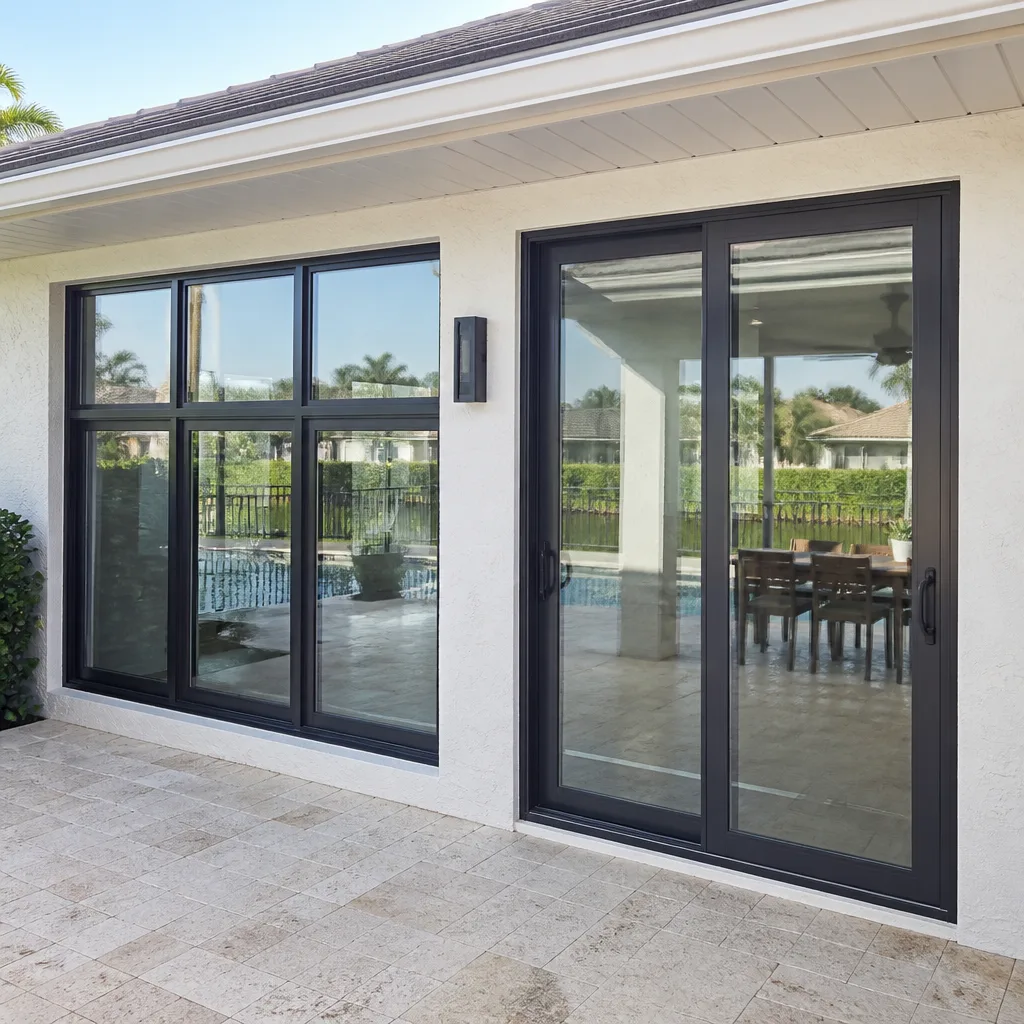 After
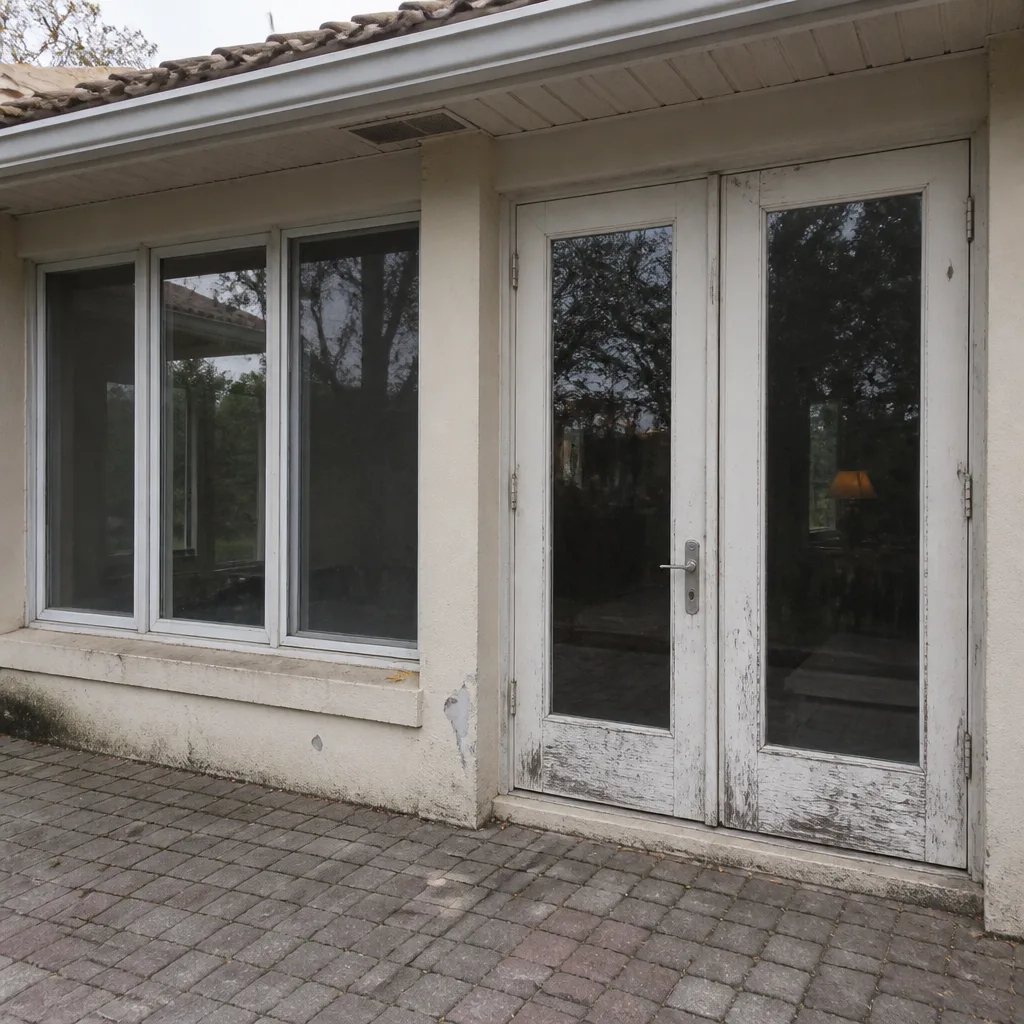 Before
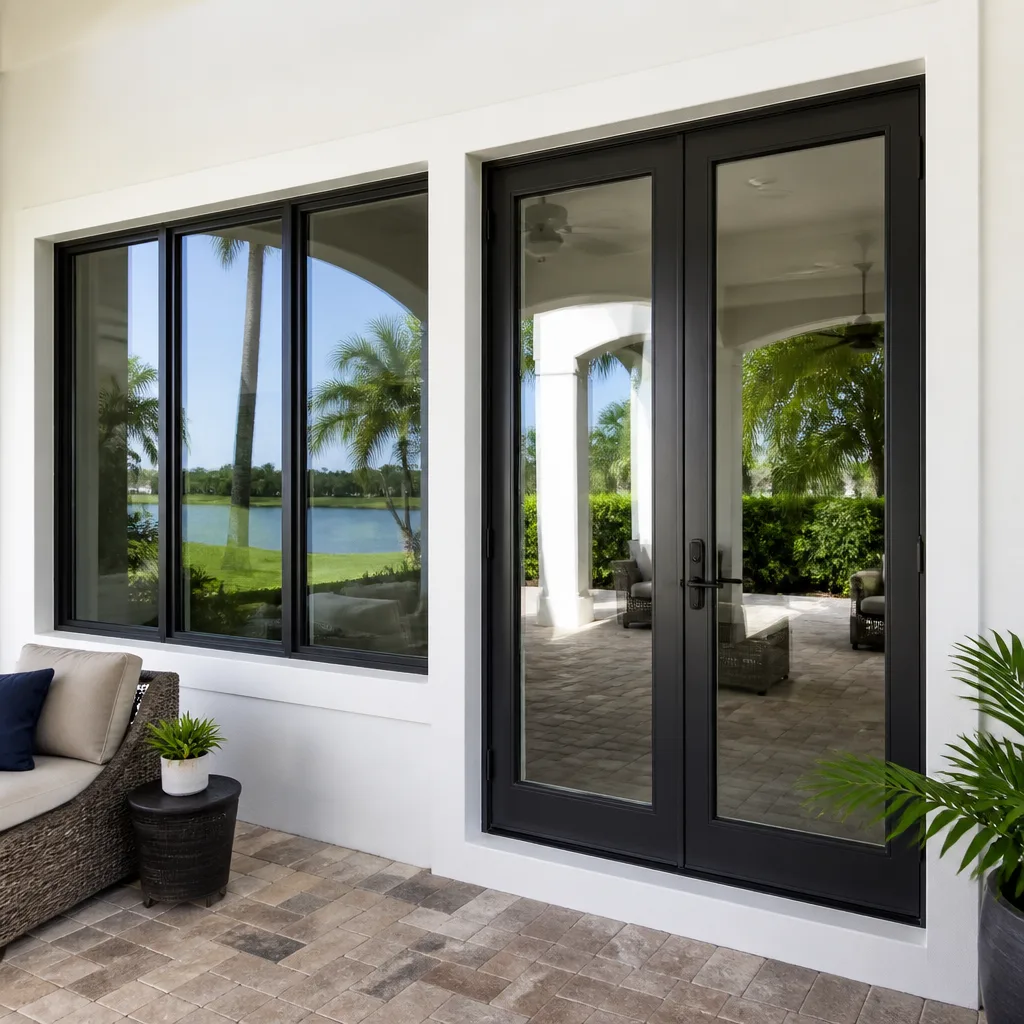 After
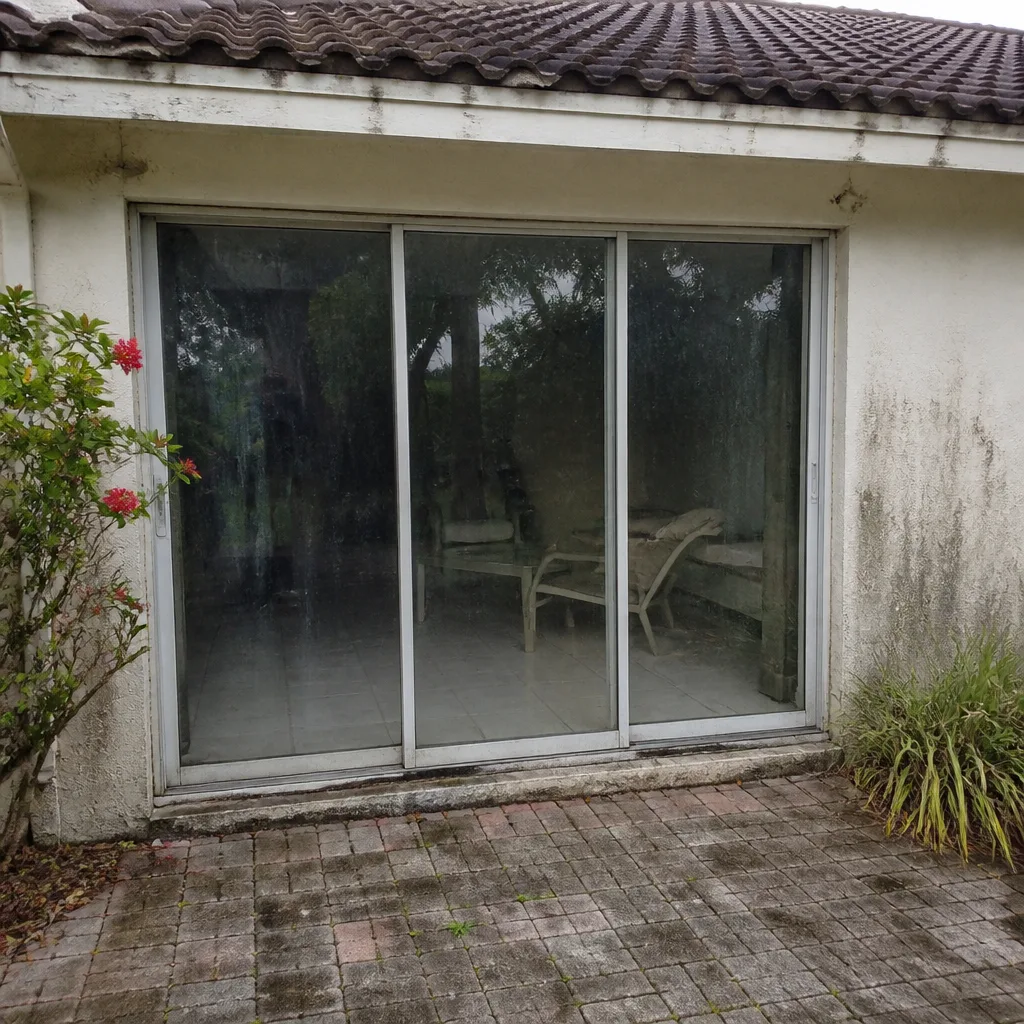 Before
 After
What Is Low-E Glass? The Straight Answer From a Boca Raton Glazier
Low-E glass is window glass coated with a microscopically thin layer of metallic oxide that reflects heat while letting light pass through. In Boca Raton, where cooling costs run 10 to 12 months a year, that coating typically cuts solar heat gain through your windows by 30 to 50 percent compared to standard clear glass. If you’re dealing with rooms that never quite cool down or a July electric bill that makes you wince, low-E is the first thing we look at. Call (561) 264-1337 if you’d rather just ask us directly.
We’ve been setting glass in this city long enough to know that most homeowners don’t care about emissivity coefficients. They care that their east-facing bedroom feels like an oven by 9 a.m. Here’s what actually matters: the coating works by reflecting infrared heat back toward its source. In summer, it bounces the sun’s heat back outside. In the brief Boca Raton winter, it bounces your furnace heat back inside. Same coating, two directions, and it’s invisible to the naked eye.
Key Takeaways
- Low-E is a transparent metal-oxide coating, not a tint or film, applied during glass manufacturing.
- It reflects heat, not light; your view stays clear, but your rooms stay cooler.
- Two layers of low-E (called low-E366 or similar, depending on brand) are standard practice for Boca Raton’s climate zone.
- Low-E pairs with argon gas fill between panes for maximum performance.
- Not all low-E is the same - the coating rating matters more than the marketing term.
What Low-E Actually Does in a Boca Raton House
Most of the housing stock we work on sits in Arvida-era planned communities: Boca Teeca, Boca West, Broken Sound, Woodfield. These are 1960s through 1980s concrete-block homes built with single-pane aluminum sliders, and those original windows had zero heat control. The glass was just glass. When we pull those frames and set new insulated units, the difference is immediate, measurable, and quieter, too.
The coating itself is bonded to the inside face of the outer pane in a double-pane unit. That placement matters because it protects the coating from oxidation and cleaning damage while keeping it exactly where it can do its job. In west Boca, where salt air is less of a factor, this is straightforward. On the barrier island and Intracoastal-adjacent condos along A1A, we recommend the same low-E coating, but the frames and hardware around it need different treatment, which we’ll get to.
Soft Coat vs. Hard Coat: What We Recommend Here
There are two manufacturing methods, and one of them is far more relevant to Boca Raton. Hard-coat low-E is baked onto molten glass during production. It’s durable, cheaper, and used mostly in storm doors and some commercial applications. Soft-coat, sometimes called sputter-coat, is applied in a vacuum chamber after the glass is formed. It performs significantly better at blocking heat, and it requires being sealed inside an insulated glass unit where nothing can touch it.
For residential window replacements in this climate, we use soft-coat low-E almost exclusively, in our Energy-Efficient Windows. The performance difference isn’t marginal. Soft-coat units in the same frame can reject 10 to 15 percent more solar heat than hard-coat versions, which translates to a meaningful difference in a house with 20 or 25 window openings. Brands we regularly quote include ECO Window Systems, Mr-Glass, each of which manufactures soft-coat low-E lines rated for Florida’s climate.
How Much Does Low-E Glass Cost in Boca Raton?
The upgrade from clear glass to low-E in a standard double-glazed unit typically runs $8 to $15 per square foot of glass, depending on the manufacturer line and whether you’re also adding argon gas fill. On a typical 3-by-5-foot window, that’s roughly $120 to $225 per opening compared to non-coated glass. For a whole-house retrofit with 20 openings, you’re looking at a range of $2,400 to $4,500 in glass cost alone before labor and frame work.
| Glass Package | Typical Cost per Window (Material Only) | Best For |
|---|---|---|
| Clear double-pane, no coating | $180-$260 | Garages, storage rooms, rarely used spaces |
| Double-pane with low-E (one coating layer) | $240-$340 | Standard replacement in west Boca |
| Double-pane with low-E + argon gas | $270-$390 | Primary living spaces, any east exposure |
| Impact-rated with low-E + argon | $450-$700 | Homes near the water, insurance-compliant openings |
Those are material numbers, not turnkey installed prices. Frame type, condition of the rough opening, and whether you’re in a high-rise or a single-story ranch all move the final figure, which is why we give written side-by-side quotes rather than a number over the phone. And before the county will even schedule a permit inspection, many Boca Raton communities require Architectural Review Committee sign-off on the specific glass spec. In Boca West or Broken Sound, that means product approval sheets, NOA numbers, and color-chip sign-off before you ever see a permit. We build that 2-to-4-week buffer into every proposal as standard practice; crews that don’t learn this lesson once.
When Low-E Isn’t Enough: What Else Your Windows Need Here
Low-E coating handles radiant heat. It does nothing for frame leaks, failed weatherstripping, or the salt-air corrosion that eats aluminum frames along the Intracoastal. We regularly see homes within a half-mile of the water where the glass spec is fine but the frames are pitted and the rollers have seized. You can have the best coating in the world and still lose conditioned air through a frame that doesn’t seat square in the opening.
That’s part of why we pair glass recommendations with hardware and frame evaluation on every visit. Stainless-steel rollers, anodized or powder-coated finishes, and proper sill drainage are routine for east Boca installations, not premium add-ons. If someone quotes you low-E glass without asking about your frame condition, your exposure to salt air, or your HOA’s product approval list, they’re selling you a pane, not a window.
One thing I’ll tell you straight, because I grew up in Boca Teeca and spent weekends with my father replacing jalousie windows in every house on our block: low-E is only as good as the seal around it. If the insulated unit isn’t square in the frame and the seal doesn’t hold argon, you’ve paid for a coating that underperforms within five years. That’s why we measure every opening twice, register both manufacturer warranty layers in writing before the technician leaves, and stand behind it with a Done Right Promise. If the pane is not true, the job is not done.
Frequently Asked Questions
No. Low-E coatings reflect infrared heat while allowing visible light to pass through, so the view stays clear with only a minimal reduction in light transmission, typically 5 to 10 percent depending on the coating spec.
Yes, in the form of aftermarket window films, but those don’t perform as well as factory-coated glass and typically void the manufacturer’s warranty on the glass unit itself. If your goal is heat rejection that lasts, replacing the glass or the full window is the better investment. Call (561) 264-1337 if you want to compare the actual numbers.
In Boca Raton, where air conditioning runs most of the year and east-facing windows take direct Atlantic sun, low-E glass typically pays for itself in 4 to 7 years through lower cooling costs, plus it qualifies as an energy-efficiency upgrade for insurance purposes.
The coating is sealed inside the insulated glass unit and lasts as long as the seal holds, typically 20 to 30 years with proper installation, because it’s protected from air, moisture, and cleaning products.
Low-E is a heat-reflecting coating, while impact glass is a laminated, shatter-resistant construction designed to meet Florida Building Code wind-load requirements. The two are not competing options; impact windows can and often do include low-E coatings for combined protection.
If you’d rather have it looked at, TruePane Windows & Doors offers a no-pressure assessment in Boca Raton. We’ll measure your openings, talk through what’s actually on your windows now, and quote the low-E options that fit your home and your HOA’s requirements. Call (561) 264-1337 for a free estimate.
Written by TruePane Windows & Doors, TruePane Windows & Doors at TruePane Windows & Doors, serving Boca Raton, FL.
Six Reasons Homeowners Choose TruePane Windows & Doors
Impact systems engineered to design pressures up to +/-100, matched to your wind zone - your openings hold when the storm arrives.
Low-E insulated impact glass from our manufacturer lines commonly cuts monthly cooling bills 20-30%.
Laminated impact glass shuts out up to 40% of outside noise - traffic, neighbors, weather.
Monitoring services run $30-90 a month. Laminated impact glass resists forced entry around the clock, with no subscription.
Florida homeowners average around 25% savings on the windstorm portion of their policy after protecting every opening - some homes qualify for more.
A full impact package upgrades curb appeal, buyer confidence and appraised value in one project.